English
 Español

 Inquiry
Industry News
Home / News / Industry News / Applications of Fiber Optics: Real-World Uses Across Networks and Industry
2026-11-16
Fiber optics carry information as pulses of light through hair-thin glass strands, and that single property explains almost every application they serve: telecom transport, fiber-to-the-home access, data center backbones, cable TV, grid monitoring, medical imaging, industrial sensing, vehicle and defense systems, and even decorative lighting. The short answer to "where are fiber optics used" is: anywhere a copper link runs out of distance, bandwidth, or electrical noise immunity.
Defining the term helps before choosing hardware. An optical fiber is a dielectric waveguide with a core and cladding of slightly different refractive indices, so light launched at one end stays confined and arrives at the far end with very low loss. Standard single-mode fiber loses roughly 0.2 dB per kilometer at 1550 nm, which is why a passive link can span tens of kilometers with no repeater and no power at the midpoint.
Content
Nearly all installed fiber falls into eight application groups, and each one buys a different benefit from the same glass.
The rest of this guide explains what each application demands from the fiber, the connector and the enclosure, because those three items decide whether a link works in the field or only on paper.
Telecom is the largest application by fiber volume, and it splits into two different purchasing problems: long-haul transport, where loss budget and dispersion dominate, and access networks, where cost per connection and installation speed dominate.
In a passive optical network the link budget is fixed by the split ratio before any cable is pulled. A 1:32 split leaves little margin, so every connector pair counts: a clean mated pair typically costs 0.3 to 0.5 dB, and a contaminated ferrule or a poor cleave can double that. That is the practical reason the advantages of optical fiber splitters are usually discussed together with connector loss rather than in isolation.
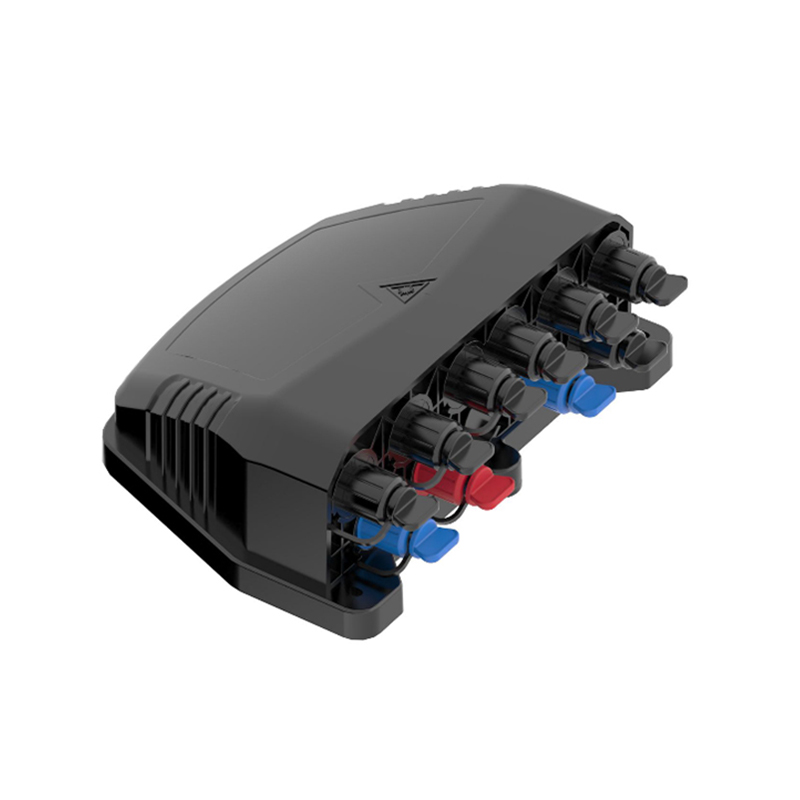
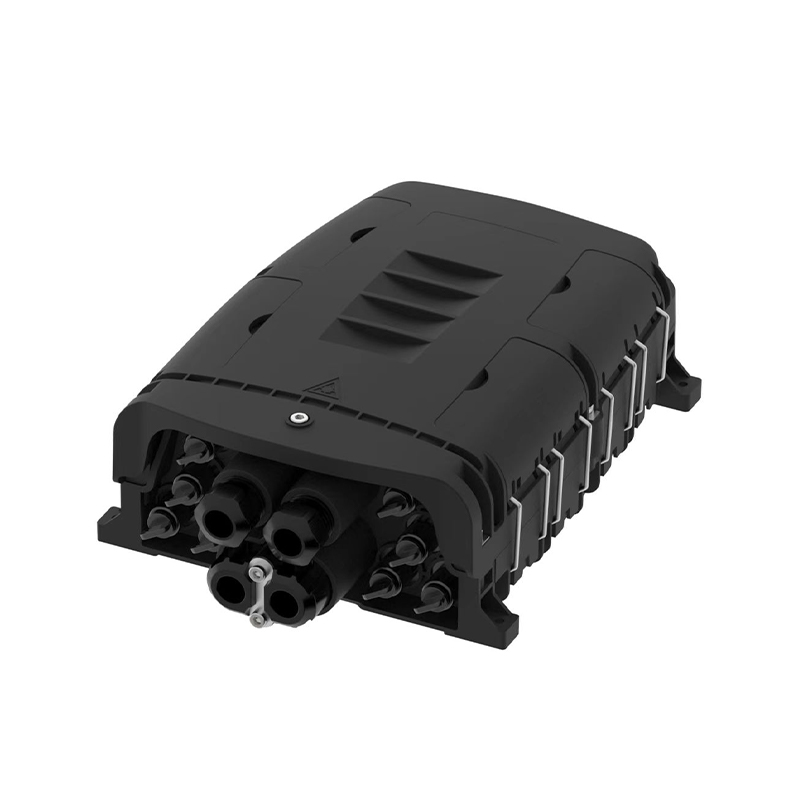
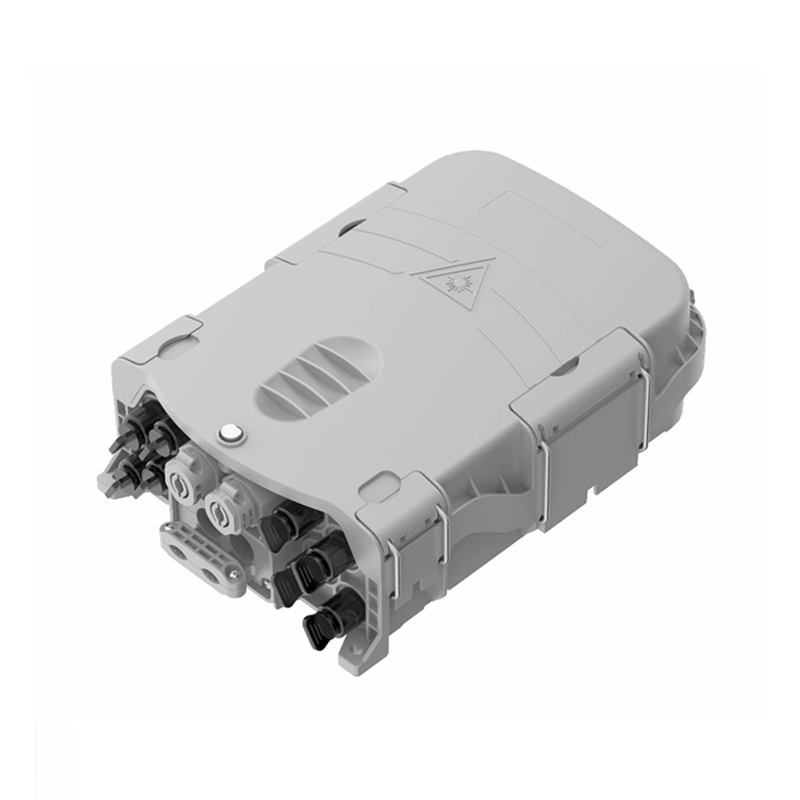
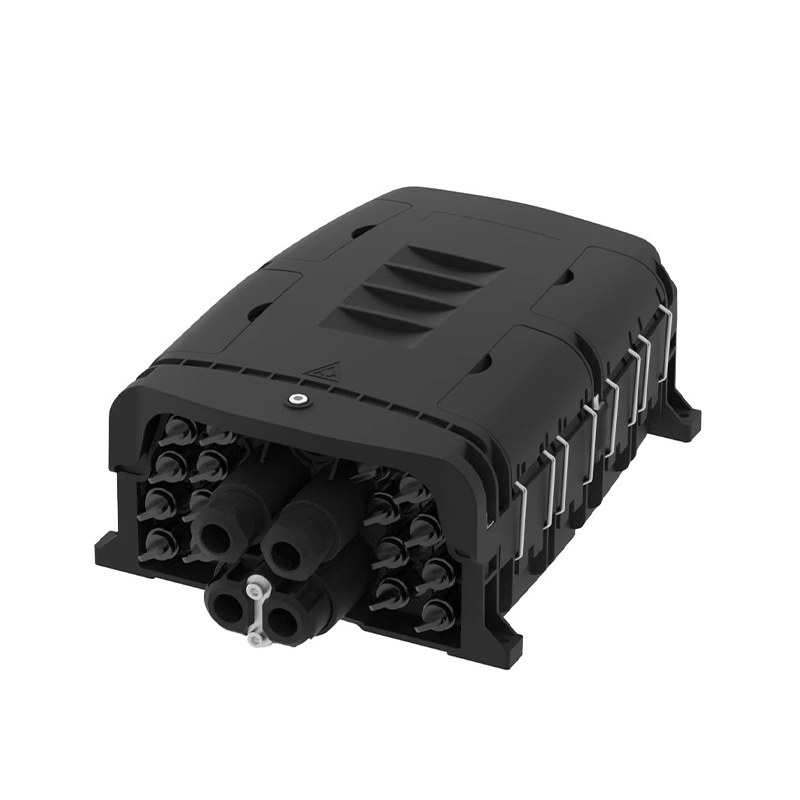
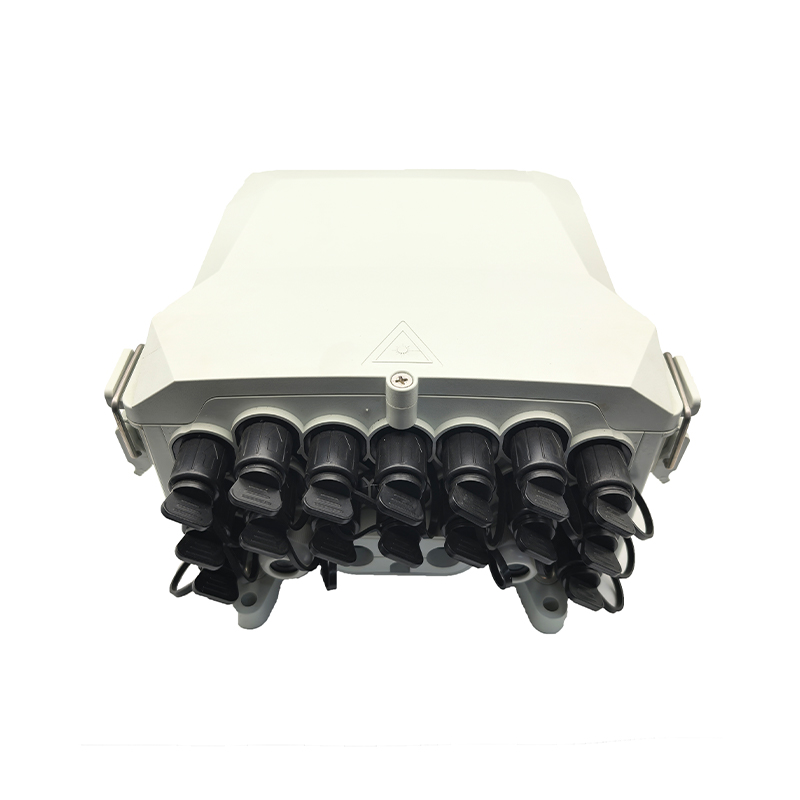
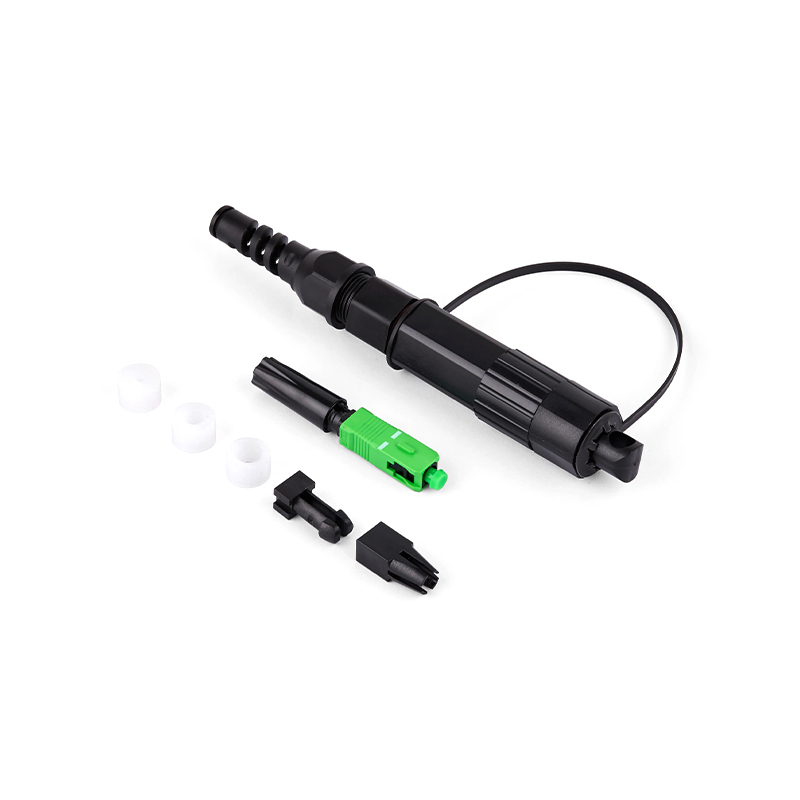
At the subscriber end, hardened connectors and sealed boxes replace splicing. Pre-terminated assemblies reduce truck rolls, remove the need for a fusion splicer at every drop point, and make the quality of the endface a factory question instead of a weather question. A pre-connectorized ODN solution packages that idea: factory-polished connectors, waterproof housings and a fixed port count per box.
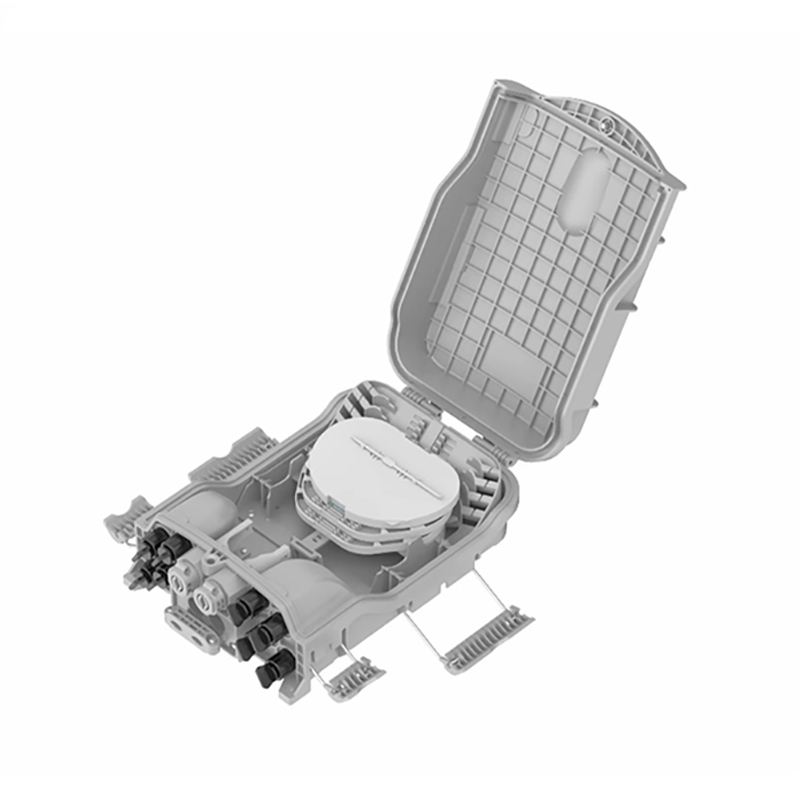 Pre-connected NAP box GSG08BThe Preconnected-NAP-GSG08B Waterproof box serves as a central hub for organizing and managing fiber optic cables, enhancing network reliability, and simplifying maint...View Product →
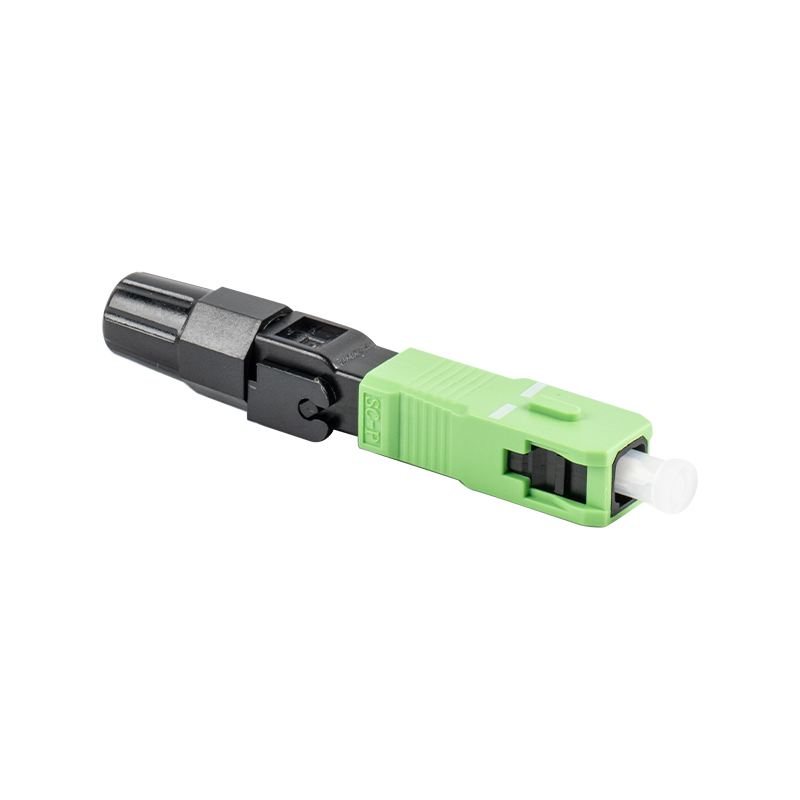
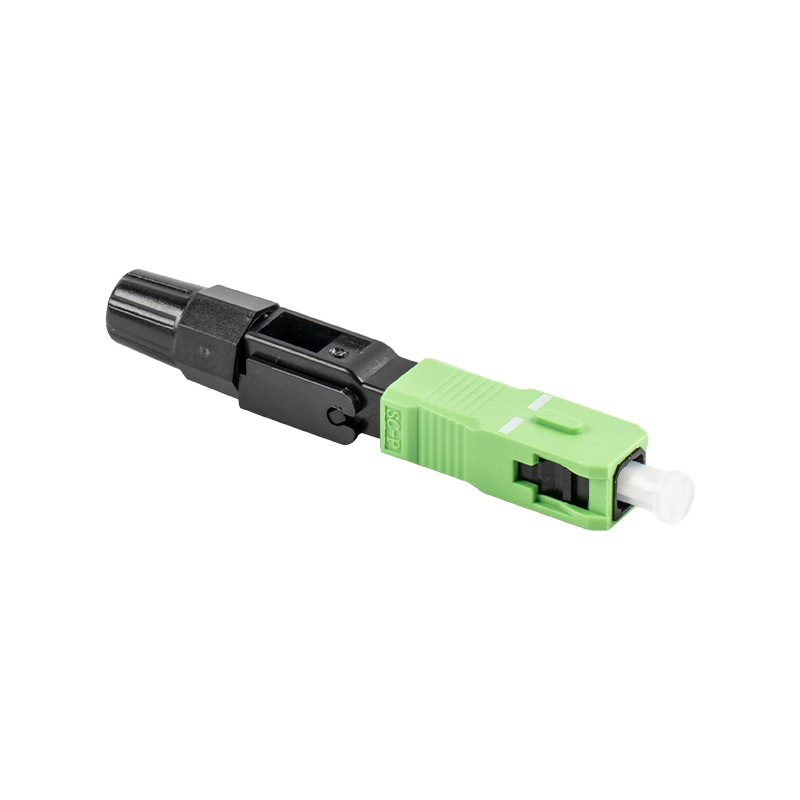
Two specification details matter most here. First, APC endfaces are the norm in access networks because their angled polish pushes return loss below -60 dB. Second, the box IP rating and the cable entry sealing decide whether the installation survives a wet season, not the fiber itself.
Inside a data center, fiber solves distance and density rather than long-haul loss. Multimode OM3 and OM4 at 850 nm carry 100G to roughly 100 m and 150 m respectively; beyond that, single-mode OS2 with LC or MPO connectors is the practical and usually cheaper long-term choice.
Polarity and connector grade cause most of the trouble. A duplex LC patch cord built as A-to-A instead of A-to-B will not link two transceivers, and a "low loss" claim without a test report means little when the link budget is already tight. Bend-insensitive multimode helps in dense cabinets where the cable is pinched behind a door.
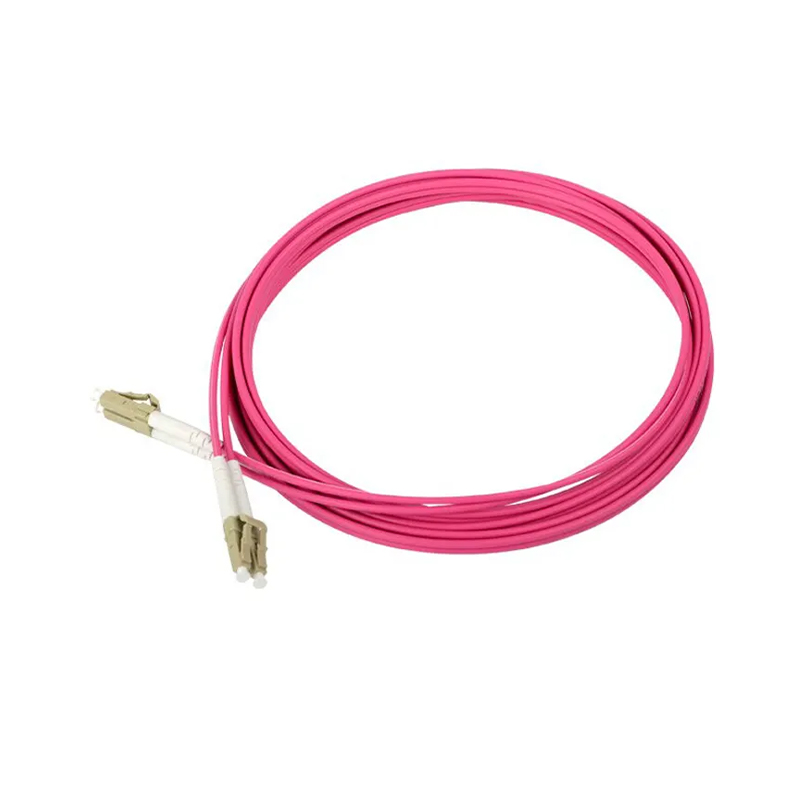 LC-LC Duplex Fiber Optic Patch CordLC-LC duplex patch cord with flexible construction for tight cabinet routing; verify polarity and connector grade before ordering.View Product →
For runs under 30 m inside a rack, copper still wins on cost; fiber wins from the moment you need electrical isolation between cabinets or a single cable carrying multiple generations of speed.
Hybrid fiber-coax networks were among the first large-scale fiber deployments, and they remain one of the most demanding. Analog optics are sensitive to reflected light, so APC polishing is standard on node-facing ports: a UPC mated pair reflects more power than a return-loss-sensitive transmitter tolerates, and the symptom appears as a noisy channel rather than a dead link.
Broadcast studios use fiber for camera feeds over a few hundred meters, mainly for the weight and the freedom from ground loops. Studio links are short but must be stable, so connector cleanliness and consistent polishing quality matter more than raw attenuation.
In sensing applications the fiber is the sensor, not just the pipe. Fiber Bragg gratings and distributed acoustic or temperature systems read strain and heat along tens of kilometers of a single strand, with no electronics at the measurement point.
That brings three advantages that copper cannot match: intrinsic safety in explosive atmospheres, immunity to electromagnetic interference from motors and welding equipment, and passive operation where no power is available. FC/APC connectors are common on instrumentation, while permanent routes are fusion spliced. Temperature rating of the cable jacket, not the fiber, usually limits the installation.
Utilities use fiber for two distinct jobs: communicating with substations and sensing the line itself. OPGW places fibers inside the earth wire of a transmission line, while ADSS is fully dielectric and installed on the line without a conductive path, which makes it the usual choice where electrical isolation is required.
Selection drivers are mechanical before they are optical: span length, wind and ice loading, installation tension and the creep behavior of the jacket. A cable that meets its attenuation spec but stretches during stringing will fail a year later at a splice point.
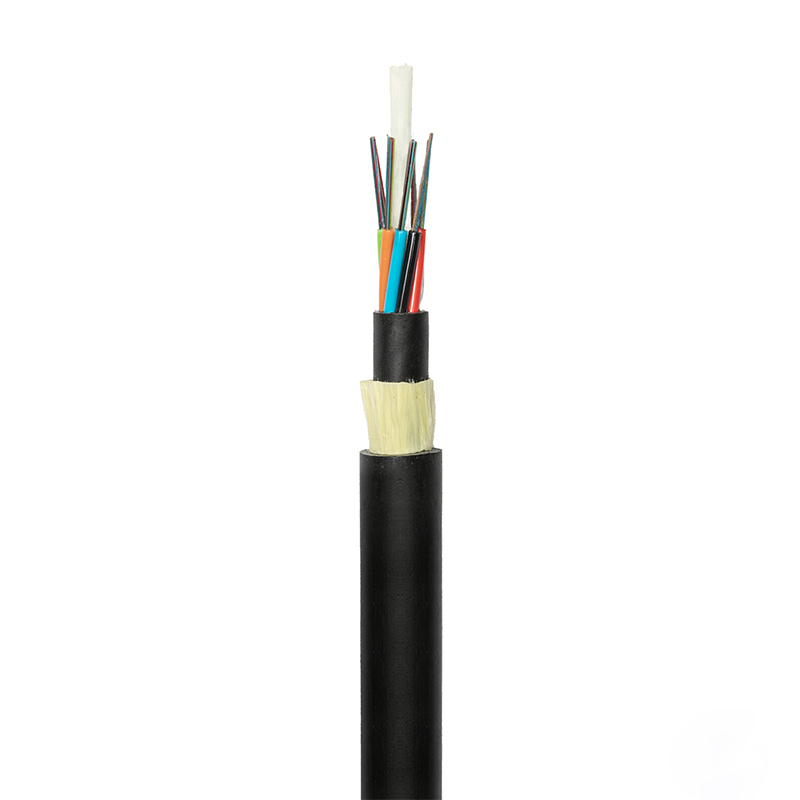 ADSS Self-Supporting Overhead Fiber Optic CableSelf-supporting overhead cable for spans where replacing ground wire is impractical; consider installation tension and jacket creep alongside optical specs.View Product →
Where the ground wire can be replaced, OPGW gives a mechanically protected route; where it cannot, ADSS avoids a shutdown. Both normally terminate in a splice closure and then an ODF, so the closure sealing and the rack space budget belong in the same purchase decision.
These industries pay a premium for fiber and expect it to be documented. Medical endoscopes relay images through coherent fiber bundles; optical coherence imaging uses near-infrared single-mode light; laser delivery needs known bend loss and power handling so the fiber does not fail at the tip.
In vehicles, aircraft and military platforms, fiber replaces copper wherever electromagnetic immunity, weight or security matter. A fiber harness weighs a fraction of a shielded copper bundle, cannot radiate a detectable signal, and does not pick up interference from radar or inverters. The trade-off is that termination and repair need trained staff and controlled cleaning, which is why these programs specify qualified procedures alongside the hardware.
Lighting is the least demanding and most visible application. Side-glow and end-glow fiber distribute light without heat or electricity at the emission point, which suits swimming pools, museum display cases and architectural outlines where a hot lamp or a live conductor is unwelcome.
Consumer audio links use short plastic or glass optical cables, valued less for bandwidth than for galvanic isolation between devices. These runs are a few meters at most, so connector fit and bend radius determine performance far more than fiber grade.
The same glass can serve several applications, but the connector and cable construction rarely can. The table below maps common applications to the hardware that normally goes with them.
| Application | Typical fiber | Connector / hardware | Main selection driver |
|---|---|---|---|
| FTTH access network | Single-mode G.652D | SC/APC, hardened waterproof connectors, sealed NAP boxes | Tight loss budget, outdoor sealing, installation speed |
| Data center backbone | OM3 or OM4 multimode, OS2 for longer runs | LC/UPC, MPO, bend-insensitive patch cords | Reach, port density, polarity discipline |
| Cable TV and video transport | Single-mode | SC/APC | Return loss for analog optics |
| Power utility routes | Single-mode in OPGW or all-dielectric ADSS | Splice closures, ODF frames | Span, wind and ice load, electrical isolation |
| Industrial sensing | Single-mode and specialty fiber | FC/APC, fusion splice | Temperature range, strain, intrinsic safety |
| Medical and imaging | Specialty multimode bundles | Custom terminations | Bend radius, biocompatibility, power handling |
Most field failures trace back to four decisions made at the quotation stage rather than to the fiber itself.
It is also worth matching the splitter package to the enclosure: a bare-fiber module, an ABS box and a rack-mount cassette perform the same optical function but fit very different spaces.
Telecommunications, and within it fiber-to-the-home access networks, accounts for the largest share of installed fiber. Data centers are the fastest-growing segment by port count.
No. Fiber carries light only, so any remote device needs local power or a separate conductor. In OPGW, fibers share a cable with a ground wire but remain electrically isolated from it.
Because it is immune to electromagnetic interference, provides galvanic isolation between equipment, and creates no spark risk in explosive atmospheres.
Choose APC where return loss matters, such as PON access networks, cable TV and high-power laser delivery. Choose UPC for cost-sensitive short links where -50 dB return loss is sufficient.
Budget 0.3 to 0.5 dB for a clean mated pair and verify with measurement. Anything above 0.75 dB usually indicates contamination, a damaged ferrule or mismatched polish.

No.255 Lianfei Road, KandunIndustrial Park, Cixi City, ZhejiangProvince, China
Email: [email protected]
Tel: +86 18367407397
Copyright ? Ningbo Goshining Communication Technology Co., Ltd. Fiber Optic Solutions Manufacturer Fiber Optic Products Factory