

 English
 Español

 Inquiry
Industry News
Fiber Optic Cable Repair: Step-by-Step Guide, Tools & Cost
2026-08-07
A backhoe, a wayward trimmer, or a rodent can turn a healthy fiber link into a dead line in seconds. The first question is usually the same: can a fiber optic cable repair fix this, or do we need to pull a new cable? In most field cases, a fiber optic cable repair performed with the right method and tools will restore the link to specification. The key is to move through fault location, method selection, execution, and testing in the right order.
Content
- 1 When Is Fiber Optic Cable Repair Actually Possible?
- 2 First Step: Confirm the Fault Is in the Cable, Not the Equipment
- 3 DIY vs Professional Repair: Know the Limit
- 4 The Two Repair Paths: Fusion Splicing vs Mechanical Splicing
- 5 Step-by-Step Fiber Optic Cable Repair Workflow
- 6 Temporary vs Permanent Repair: What to Do in an Emergency
- 7 Estimated Fiber Optic Repair Costs and Time
- 8 How to Prevent Future Fiber Optic Cable Damage
When Is Fiber Optic Cable Repair Actually Possible?
Fiber is thin glass, and a clean break is the most straightforward case to repair. As long as the damaged section is accessible and you have enough slack to work with, a splice adds very little loss. What makes repair impractical is usually access, not the break itself. A cable crushed over a long length, a break sealed inside a buried duct, or multiple fracture points along the same run can make replacement cheaper than repair.
It also helps to separate outer jacket damage from core fiber damage. A damaged jacket that still allows light to pass can often be protected without cutting the fiber. A broken core, however, requires the ends to be rejoined with a splice or replaced with a new cable section. If replacement is the more economical route, review replacement fiber optic cable options before pulling a new line.
First Step: Confirm the Fault Is in the Cable, Not the Equipment
Before opening a splice tray, rule out the easier problems. Check the power supply, the router, and the ONT or ONU LEDs. Verify that patch cords are firmly seated and that connector end faces are clean. If the link still shows no light, use a power meter to confirm the receive level. When the equipment side is healthy but the signal is absent, the fault is in the cable run.
This is where an OTDR earns its keep. It sends a pulse down the fiber and measures reflected light to locate the break within a meter or two. A fiber optic OTDR is the standard tool for pinpointing the fault before you start digging or pulling cable. Skipping this step is the most common way to waste hours on the wrong section of the plant.
DIY vs Professional Repair: Know the Limit
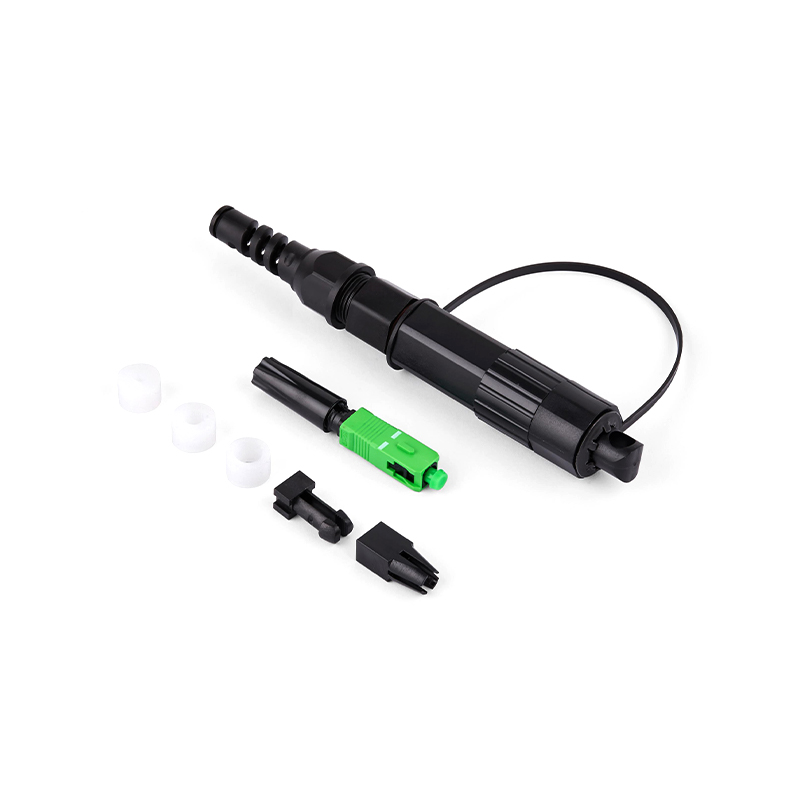
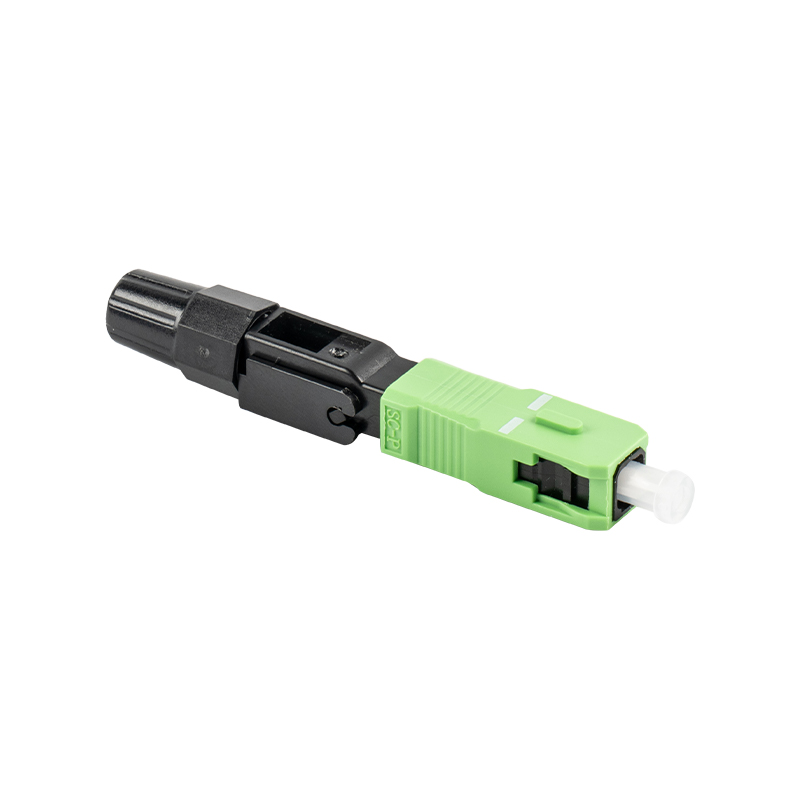
Some repairs are genuinely DIY-friendly. If the break is on the customer-side drop, the cable is accessible, and you have a fiber cleaver, precision strippers, and a field-installable connector, you can terminate the end yourself. For example, SC field-installable fast connectors let you finish a drop cable without a fusion splicer.
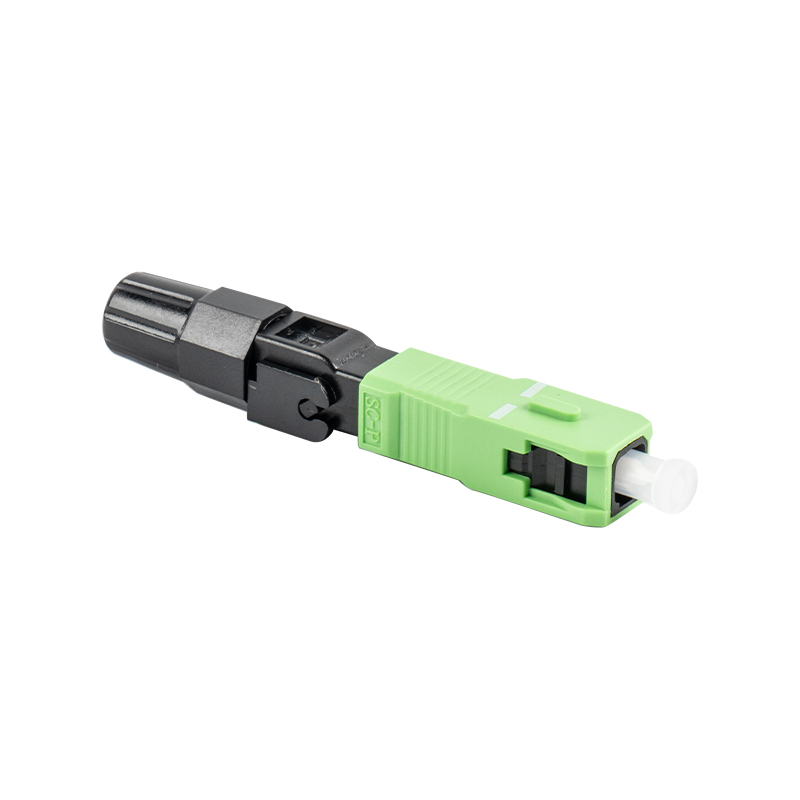 Custom FTTH SC Fast Connector Supplier, OEM CompanyNingbo Goshining Communication is a China OEM FTTH SC fast connector supplier and FTTH SC fast connector company, professional custom FTT...View Product →
However, outdoor aerial or buried cables usually belong to a network provider. Touching them without authorization is risky and often violates service terms. Even on private property, a multi-fiber cable, a splice that must survive outdoors, or a fault that needs OTDR tracing is a job for a trained technician. The biggest DIY trap is the end face: a clean cleave with an angle under 0.5 degrees and a dust-free surface are not optional. Cheap tools produce marginal results, and a bad splice can fail weeks later.
- DIY is reasonable for an accessible drop break with the right hand tools.
- Call a professional for outdoor plant, multi-fiber cables, or any splice that must be buried or left exposed.
- If the cable is owned by an ISP or utility, do not attempt repair yourself.
The Two Repair Paths: Fusion Splicing vs Mechanical Splicing
Once the fault is isolated, you need to decide how to rejoin the fiber. Fusion splicing and mechanical splicing solve the same physical problem, but they differ in loss, cost, and longevity.
Fusion Splicing — The Permanent, Low-Loss Solution
Fusion splicing welds the two fiber ends together with an electric arc. Insertion loss is typically 0.02–0.05 dB per splice, and the joint is as strong as the original fiber. The catch is that you need a fusion splicer and practice to use it well. A mid-range splicer costs more than a one-time repair, but it is the right investment for crews that maintain multiple drops or campus links. If you plan to build that capability, compare fusion splicer models that support automatic alignment and heater functions.
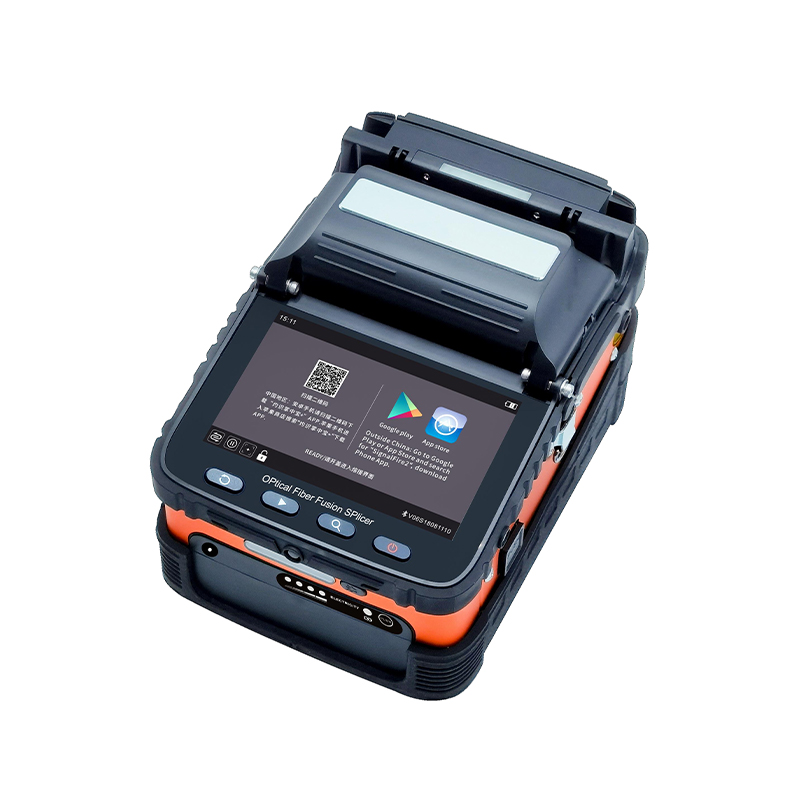 Custom Fiber Optic Fusion Machine Supplier, OEM CompanyNingbo Goshining Communication is a China OEM Fiber Optic Fusion Machine supplier and Fiber Optic Fusion Machine company, professional cu...View Product →
Mechanical Splicing — Fast and Cost-Effective for Temporary or Field Repair
Mechanical splicing or a field-installable connector aligns the two ends inside a precision sleeve or ferrule, often with index-matching gel. Loss is higher, typically 0.5–1.0 dB, and long-term stability is lower. But you can finish in minutes with hand tools, which makes it ideal for temporary restoration, FTTH drop repairs, and emergency fixes where a splicer is not available.
| Factor | Fusion Splicing | Mechanical Splicing |
|---|---|---|
| Insertion loss | 0.02–0.05 dB | 0.5–1.0 dB |
| Equipment required | Fusion splicer, cleaver, strippers, heat shrink | Hand tools, fast connector or splice sleeve |
| Time per splice | 1–3 minutes | 2–5 minutes |
| Long-term reliability | Excellent when protected in a closure | Acceptable for temporary use, lower long-term |
| Best use case | Permanent repair, outdoor, multi-fiber | Temporary repair, drop cable, emergency |
Step-by-Step Fiber Optic Cable Repair Workflow
The exact process depends on whether you are splicing two cable ends or terminating a damaged end with a connector. These five steps apply to the most common field repair scenarios.
Step 1 — Locate the Break
Use an OTDR or a visual fault locator (VFL) to find the break. Mark the spot and note the distance from both ends. This tells you whether you can access the cable directly or need to expose a buried or aerial section.
Step 2 — Prepare the Cable
Clear dirt and moisture around the break. Strip 60–100 cm of the outer jacket with a cable jacket stripper. Remove strength members, aramid yarn, and buffer tubes until the bare fiber is exposed. Wipe the fiber surface with alcohol and a lint-free cloth.
Step 3 — Strip, Clean, and Cleave the Fiber
Remove the coating with precision strippers, typically 30–40 mm. Clean the bare fiber again. Then cleave the fiber with a cleaver and inspect the end angle. If the angle exceeds 1 degree, re-cleave. The cleave quality directly determines the splice loss.
Step 4 — Splice or Terminate
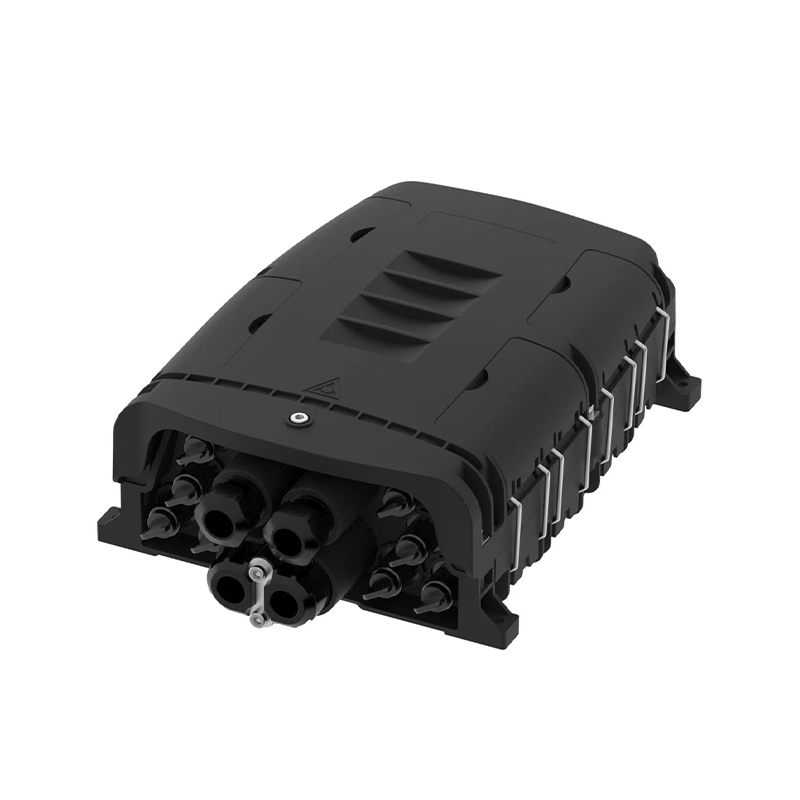
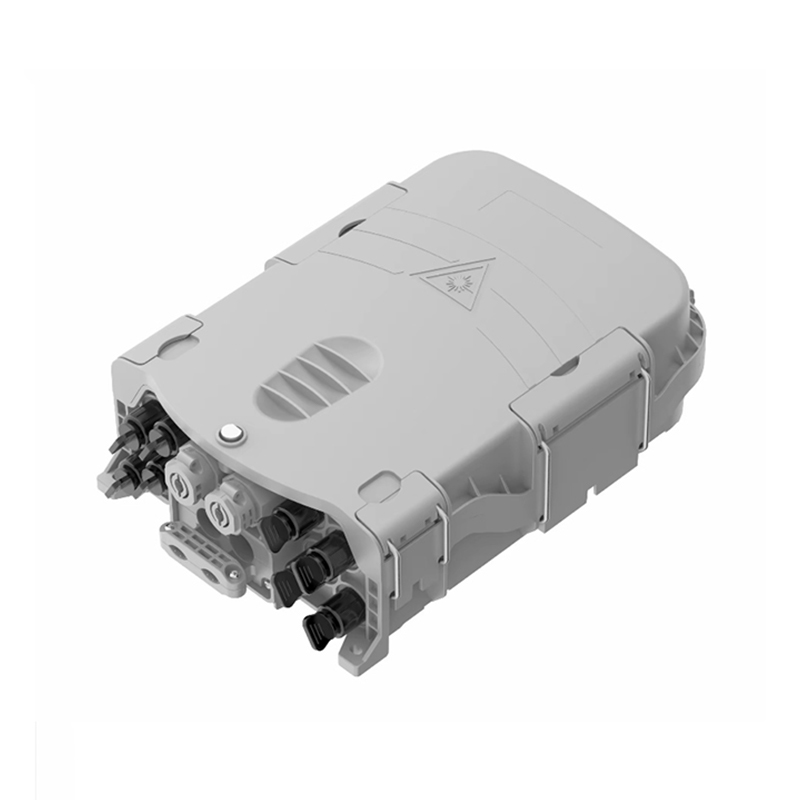
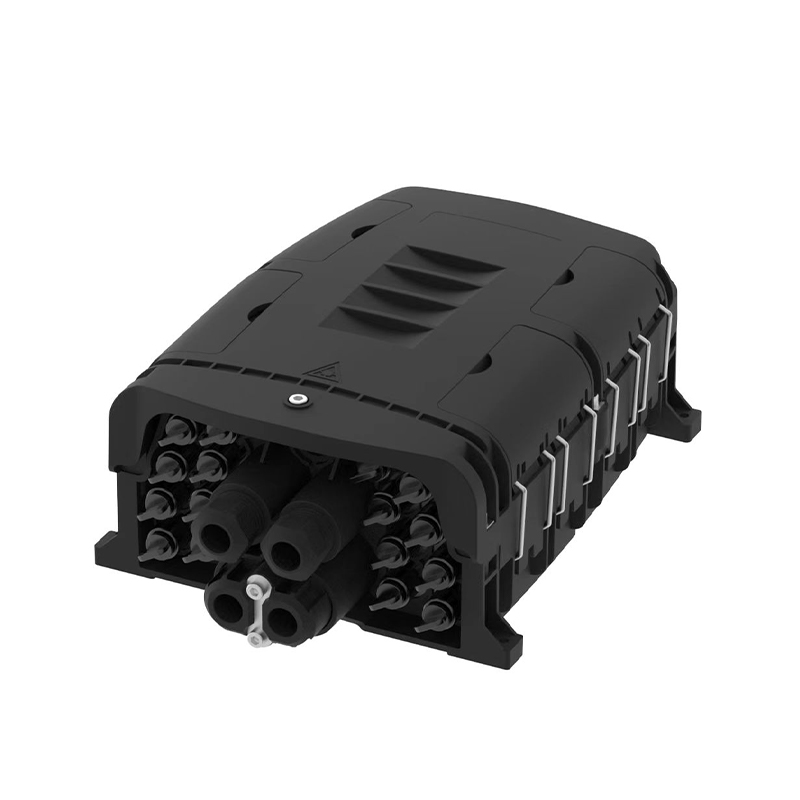
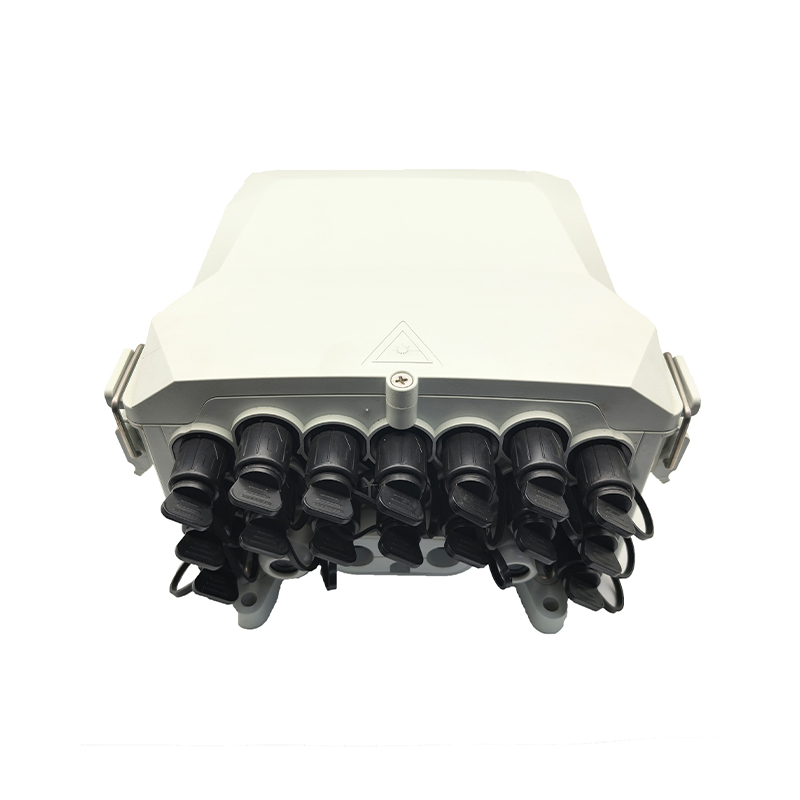
Fusion path: place both fibers in the splicer, let it align and arc, check the estimated loss, then protect the point with a heat-shrink sleeve and a splice tray. Mechanical path: insert the cleaved fiber into a fast connector or splice sleeve and clamp it. For outdoor repairs, protect the completed joint with splice closures for outdoor protection.
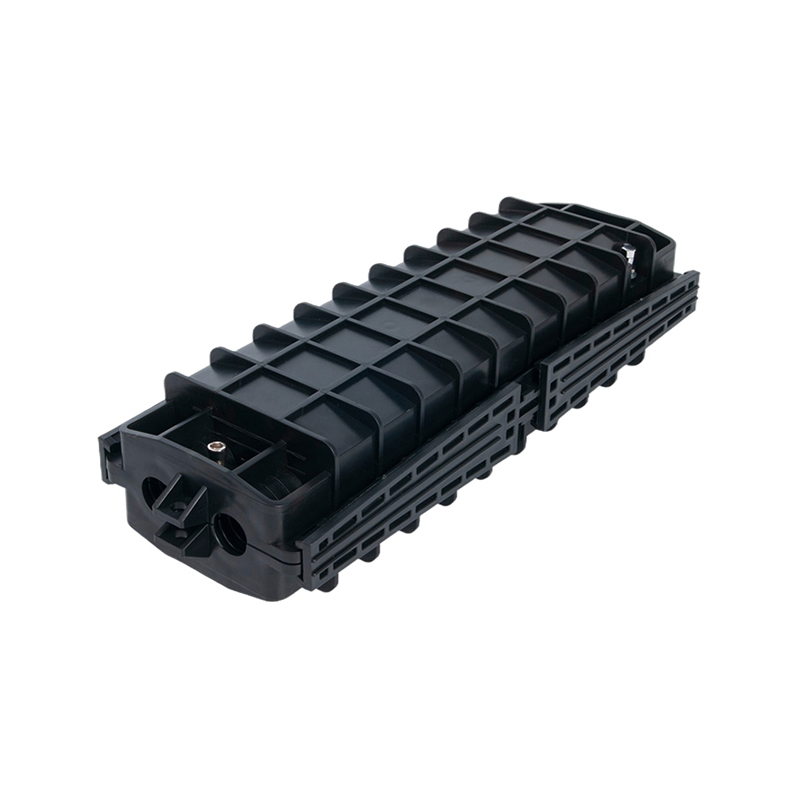 Custom Horizontal Fiber Optic Splice Closure Supplier, OEM CompanyNingbo Goshining Communication is a China OEM Horizontal Fiber Optic Splice Closure supplier and Horizontal Fiber Optic Splice Closure co...View Product →
Step 5 — Test the Repair
Measure the link with a power meter and light source, and compare the reading with the pre-repair baseline. Use an OTDR to confirm the splice event is within an acceptable range; a good fusion splice typically shows under 0.1 dB of event loss. Inspect connector end faces and clean them if needed. A repair that is not tested is not complete.
Temporary vs Permanent Repair: What to Do in an Emergency
Emergency repair is about restoring service fast, not about making a permanent joint. A fast connector with waterproof tape, or a spare patch cord used as a temporary bypass, can hold until a crew arrives. For wet or outdoor spots, a waterproof fast connector adds extra protection in a pinch.
Mark any temporary fix clearly and schedule a permanent splice within 72 hours. Temporary joints lack the mechanical strength of a fusion splice and can fail again, especially outdoors or in areas where the cable can move. Treat temporary repair as a stopgap, not a final solution.
Estimated Fiber Optic Repair Costs and Time
Pricing varies with location, cable access, and fiber count. The ranges below are typical for the US market and should be treated as estimates, not quotes.
| Repair scenario | Typical cost | Typical time |
|---|---|---|
| DIY mechanical splice with fast connector | $100–$300 one-time tool cost, plus $5–$20 per connector | 30–60 minutes |
| Professional fusion service, single fiber | $50–$150 including travel | 1–2 hours |
| Entry-level fusion splicer purchase | $1,500–$3,000 | Amortized over many repairs |
| Professional-grade fusion splicer | $5,000–$15,000 | Amortized over many repairs |
The main cost drivers are how easy it is to reach the break, how many fibers need to be spliced, and whether a damaged cable section must be replaced. A single accessible drop splice with a fast connector is the cheapest scenario; a buried multi-fiber repair requiring excavation is the most expensive.
How to Prevent Future Fiber Optic Cable Damage
Prevention starts with protecting the physical path. For drop cables, install a protective conduit or armored jacket near the house and keep the cable away from trimming and digging areas. Mark underground routes clearly, and call the local one-call service before any excavation. Always respect the minimum bend radius of the cable, which is usually about 10 times the outer diameter.
For network managers, a simple spare parts stock is the fastest way to cut downtime. Keep a few fast connectors, a fiber optic splice closure, patch cords, and cleaning supplies on hand. A reputable supplier such as Goshining can help you match the right closure and connector types to your cable plant. With the right stock, an outage that would take hours can be reduced to minutes.
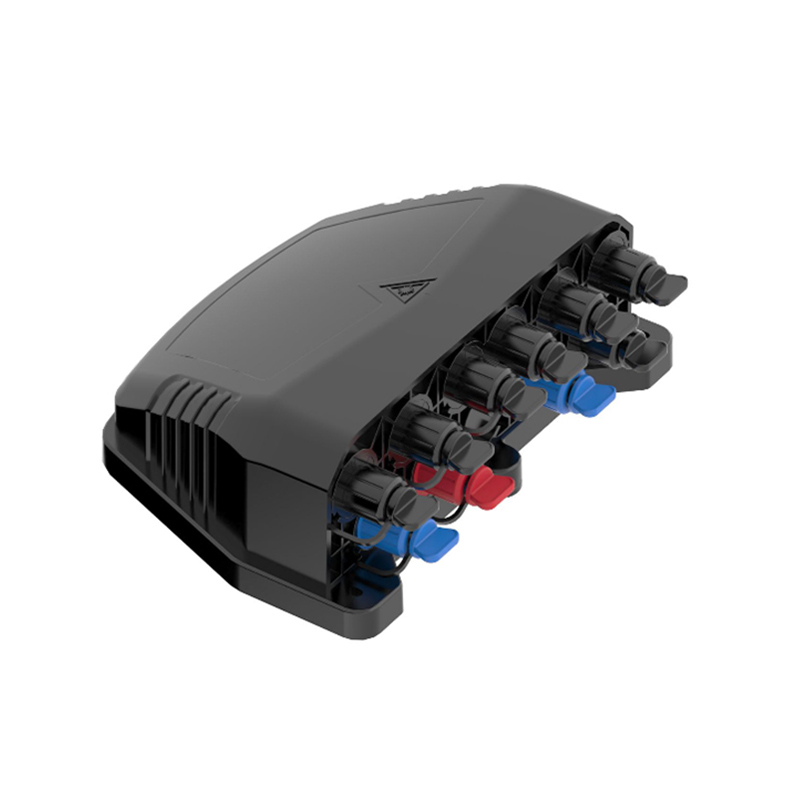


get in Touch

No.255 Lianfei Road, KandunIndustrial Park, Cixi City, ZhejiangProvince, China
Product Center
contact details
-
Email: [email protected]
-
Tel: +86 18367407397
Mobile
Copyright ? Ningbo Goshining Communication Technology Co., Ltd. Fiber Optic Solutions Manufacturer Fiber Optic Products Factory
