English
 Español

 Inquiry
Content
What Is a Pre-Connectorized Fiber Optic Cable?
A pre-connectorized fiber optic cable is a factory-terminated cable with optical connectors already installed and tested on one or both ends, ready to plug directly into a port or distribution box. By removing field splicing and on-site connector polishing from the job, it delivers the fastest and most repeatable fiber link installation available. That is why FTTH program managers, telecommunications contractors, and system integrators increasingly specify pre-connectorized assemblies instead of splicing pigtails at every drop point.
Inside the factory, each fiber is cleaved, polished, and terminated inside a connector, then sealed over the cable jacket with strain relief and waterproof materials. The complete assembly is measured for insertion loss and return loss before shipment, so the installer receives a proven link rather than a work-in-progress. On site, the crew simply routes the cable, removes the protective caps, and mates the connectors.
Pre-connectorized cables come in two main forms. Breakout cables give every fiber its own plug, usually a miniature SC or hardened outdoor connector. Distribution cables gather several fibers into a multi-port plug at one end. Manufacturers such as Ningbo Goshining Communication Technology Co., Ltd. build both formats as part of a complete pre-connectorized ODN solution, pairing them with waterproof patch cords, connectors, and boxes so the entire outside plant stays plug-and-play. If you need a refresher on constructions, our guide to common fiber optic cable types explains the differences in plain language.
Pre-Connectorized vs. Traditional Field Termination
For new outside-plant builds, pre-connectorized cable beats field termination on speed, consistency, and total installed cost; traditional splicing remains useful mainly for repairs and unusual routes. The difference starts with the connector itself and extends to the crew, the equipment, and the failure rate.
| Comparison point | Pre-connectorized cable | Field termination and splicing |
|---|---|---|
| Installation time | Minutes per drop: route, plug, and close the box | One to three hours per drop including splicing, closure assembly, and testing |
| Skill required | Low: a general cable installer can do it | High: certified splicers and experienced technicians required |
| Optical quality | Factory-controlled insertion loss and return loss with consistent end faces | Depends on the technician's skill, cleave angle, and weather conditions |
| On-site equipment | Basic hand tools only | Fusion splicer, cleaver, OTDR, splice closure, and consumables |
| Failure risk | Low, because every assembly is tested before shipment | Higher, due to contamination, poor cleaves, and rework at the pole |
| Reusability | Good: connectors unplug and reconnect in a new location | Poor: splice points are permanent unless the cable is cut back |
| Best suited for | FTTH drops, MDU risers, 5G small cells, temporary restoration | Repairs, unusual route constraints, and locations without pre-terminated duct space |
The hidden cost of field termination is not the connector but the preparation: a fusion splicer, a certified technician, a splice closure, and rework when dirt or humidity enters a joint. Pre-connectorized links move those risks to a controlled factory process. When a cable is damaged in service, a splice closure and a short pigtail are still practical repair tools, which is why reading up on how a fiber optic splice closure works is useful even in a plug-and-play network.
Key Benefits of Pre-Connectorized Fiber Optic Cables
Pre-connectorized cable earns its place in a network through six measurable outcomes: faster deployment, consistent optical quality, lower skill needs, fewer field failures, reusability, and built-in weather protection.
- Faster deployment. A drop installs in minutes instead of hours, which is what makes high-volume FTTH programs viable.
- Consistent optical performance. Factory polishing and testing keep insertion loss low, typically under 0.3 dB per connector, with repeatable return loss.
- Lower skill barrier. General civil crews can route and plug the cable without waiting for a certified splicer.
- Fewer field failures. Sealed housings prevent dirt, moisture, and micro-bends from degrading the link.
- Reusable and relocatable. Unplug the connector, move the cable, and plug it in again without a new splice.
- Built-in waterproofing. Outdoor versions use O-rings and gel seals to keep mated pairs dry in pedestals and aerial terminals.
A practical example is the drop segment between a distribution point and a home. Goshining's pre-connected cable for mini-SC and OptiTap connectors is factory-terminated on both ends and mates directly with waterproof NAP boxes, so the entire outside-plant segment is completed without a single field splice.
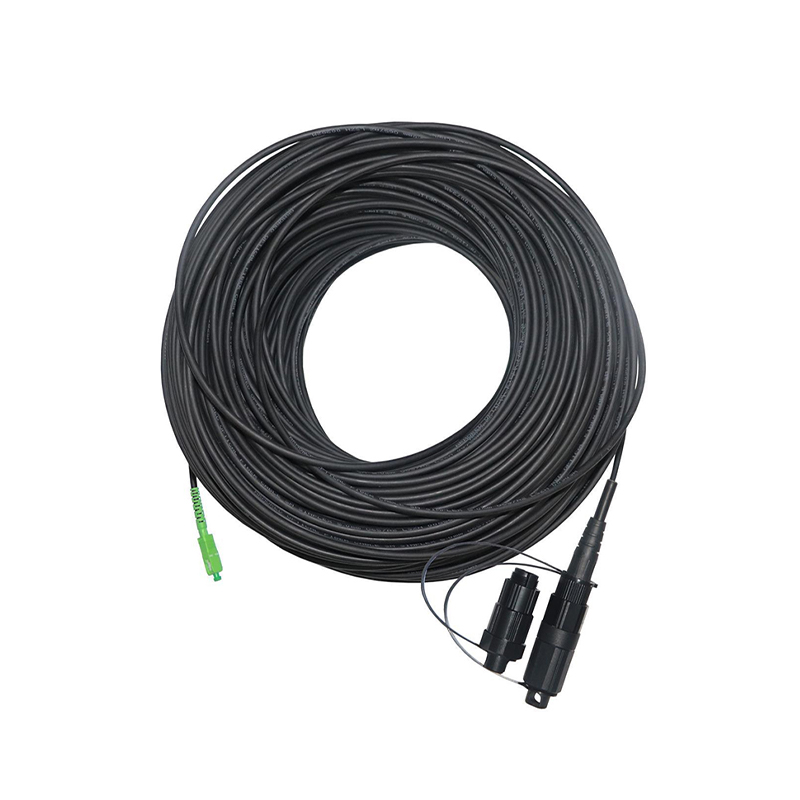 Pre-connected cable for Mini SC/OptiTap Manufacturer, Company - Ningbo GoshiningNingbo Goshining Communication is a China Pre-connected cable for Mini SC/OptiTap manufacturer and Pre-connected cable for Mini SC/OptiTa...View Product →
How to Choose the Right Pre-Connectorized Cable
Choosing the right pre-connectorized cable comes down to six specifications, in order: cable structure, fiber count, fiber type, fiber diameter, connector type, and protection class. Defining these six points before ordering prevents the two most common buying mistakes, mismatched connectors and undersized protection.
Cable Structure and Fiber Count
The structure must match the route. Breakout and round distribution cables handle aerial and duct installation, while flat figure-8 drop cables suit direct attachment to building walls. Fiber count should follow the number of services planned: 2-fiber and 4-fiber cables cover almost every FTTH drop, while 8-fiber and 12-fiber versions match MDU risers and small-cell feeders.
Fiber Type and Diameter
G.657.A2 bend-insensitive single-mode fiber is the recommended default for FTTH because it tolerates sharp corners near the ONT and inside cramped boxes. The buffered fiber diameter must also match the connector ferrule bore: 0.9 mm for direct termination, or 2.0 mm and 3.0 mm when extra mechanical strength is needed outdoors.
Connector Type and End Face
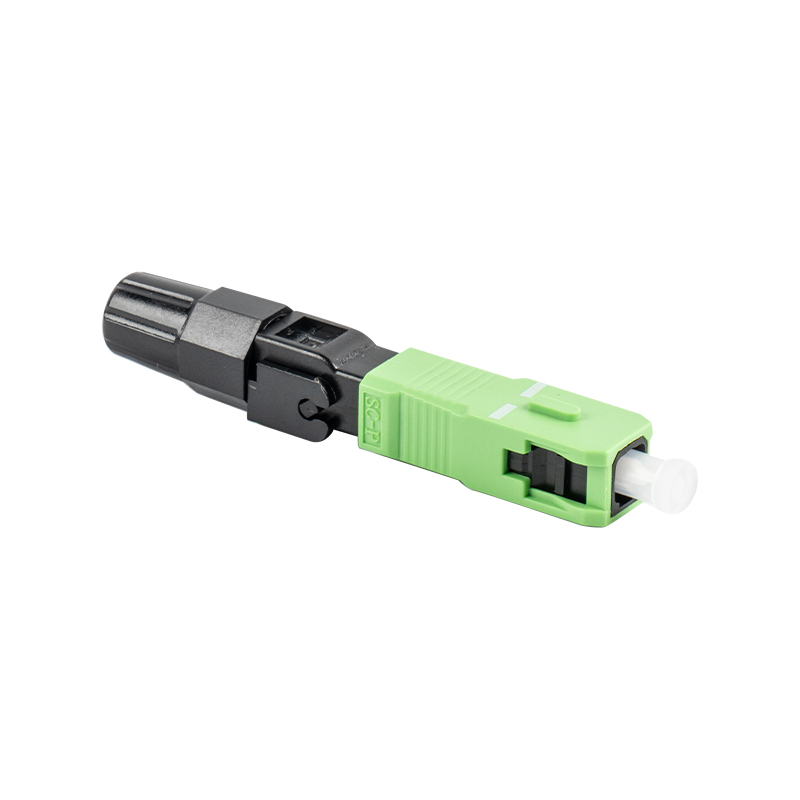
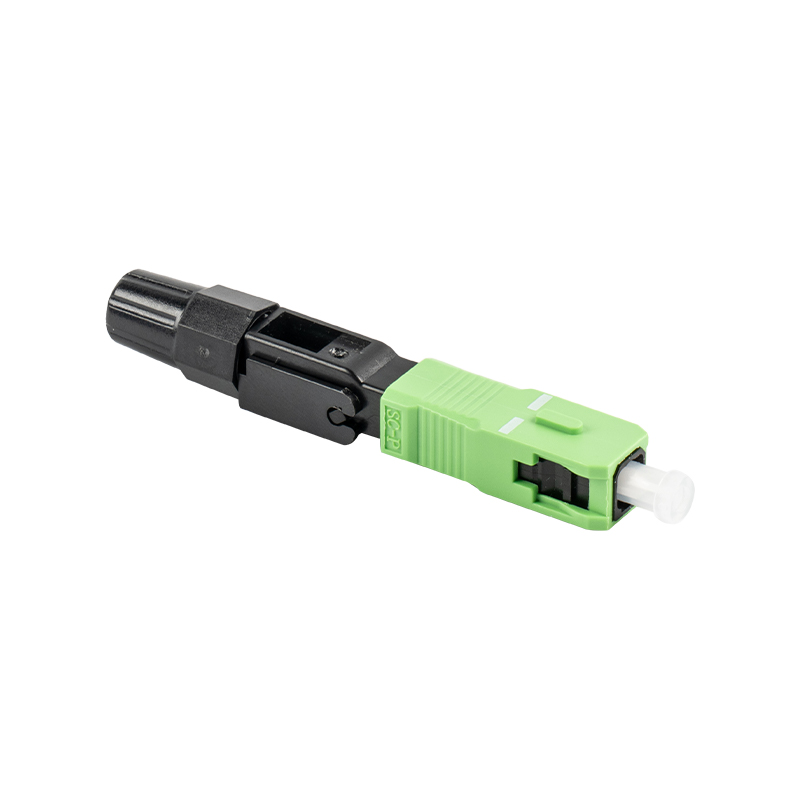
Connector type decides what the cable can plug into. SC/APC is the dominant interface for outdoor FTTx; SC/UPC is common for equipment-side connections and existing patch panels. The end-face polish matters because APC's 8-degree angle pushes reflected light out of the fiber core, producing return loss near -60 dB, which is important for RF video overlay and high-split PONs. UPC reaches about -50 dB and is sufficient for point-to-point data. For exposed outdoor locations, hardened mini-SC and OptiTap footprints are the practical standard. Goshining's mini-SC L02 APC waterproof fast connector is an example of a plug that keeps factory-grade performance in an outdoor body.
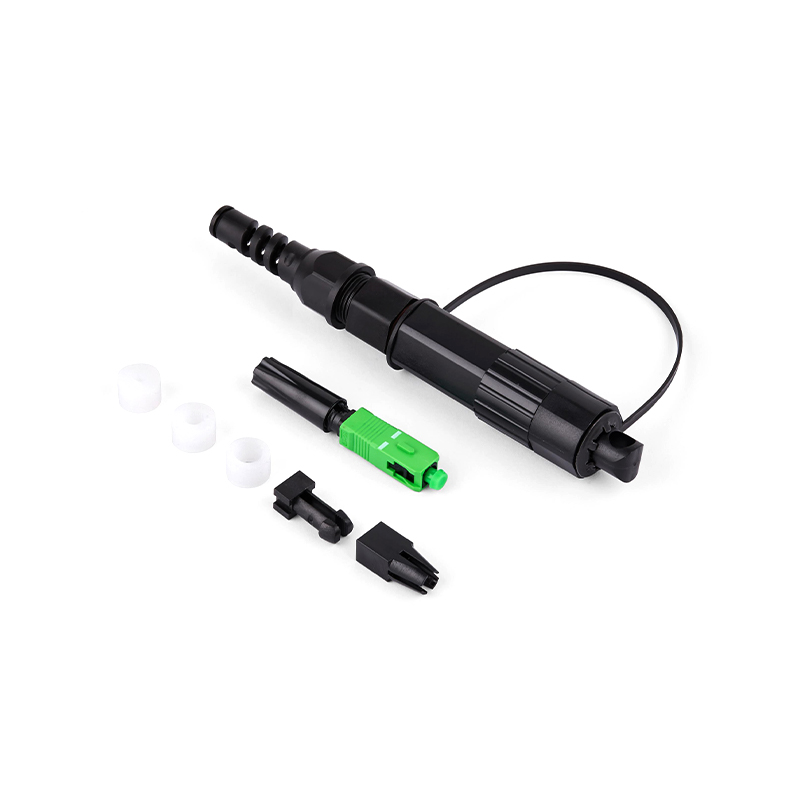 Mini SC-L02-APC-Waterproof Fast connector Manufacturer, Company - Ningbo GoshiniNingbo Goshining Communication is a China Mini SC-L02-APC-Waterproof Fast connector manufacturer and Mini SC-L02-APC-Waterproof Fast conn...View Product →
Protection Class and Cable Length
Outdoor pre-connectorized cable must survive water, ultraviolet light, and pulling stress. Check for gel-sealed boots, an IP65 or IP68 rated interface, and a rated pull strength in the 150 N to 500 N range depending on the route. Order the length slightly longer than the measured path, and confirm that the factory can cut to order with your exact length, connector combination, and marking requirements.
| Application | Recommended cable | Key reason |
|---|---|---|
| FTTH drop from NAP to home | 2-fiber breakout, G.657.A2 single-mode, SC/APC or mini-SC, 50 to 100 m | Fast installation, bend-insensitive fiber, waterproof pair |
| MDU riser | 8 to 12-fiber distribution cable, armored jacket | Higher count with better crush and rodent protection |
| 5G small-cell fronthaul | 4-fiber breakout, hardened connector, aerial-rated | Compact plugs and stable return loss in street furniture |
| Temporary restoration | Ruggedized preterminated assembly with multiple connector ends | Reusable across sites and quick to deploy |
Where Pre-Connectorized Cables Are Used
Pre-connectorized cables are used wherever speed and reliability matter more than the flexibility of on-site splicing. The most common deployments are FTTH drops, MDU risers, 5G small cells, and temporary restoration lines.
- FTTH drop construction. From the distribution point to the home, a preterminated drop installs in minutes and reduces repeat visits.
- MDU and campus risers. Higher-fiber-count versions run vertically through buildings and terminate directly into floor distribution boxes.
- 5G small cells and fronthaul. Compact hardened connectors fit in tight street furniture while keeping stable return loss.
- Temporary restoration. Factory-terminated assemblies can be routed, plugged, and later relocated when the permanent cable is in place.
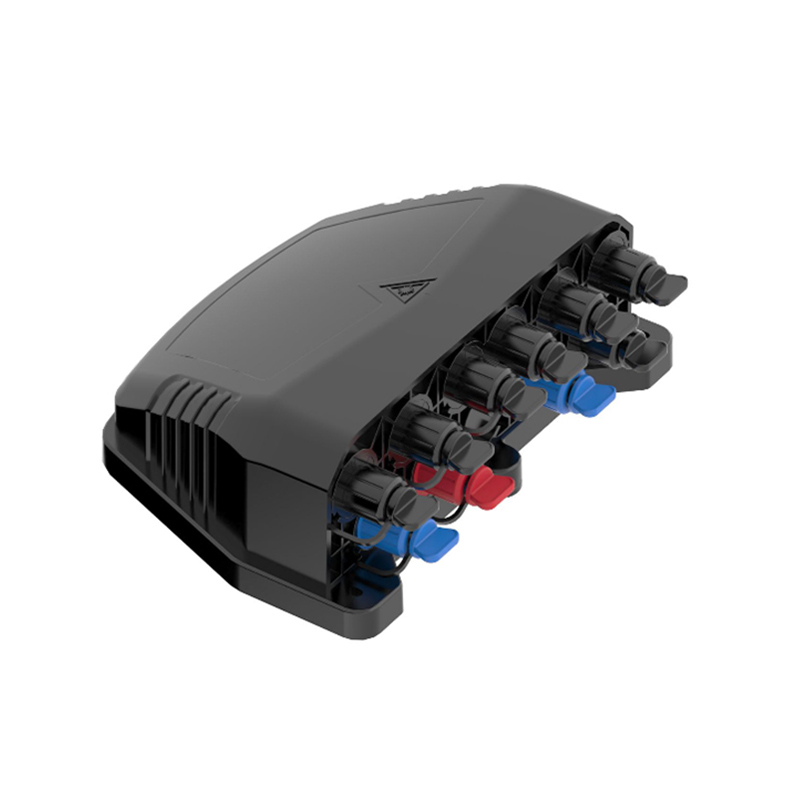
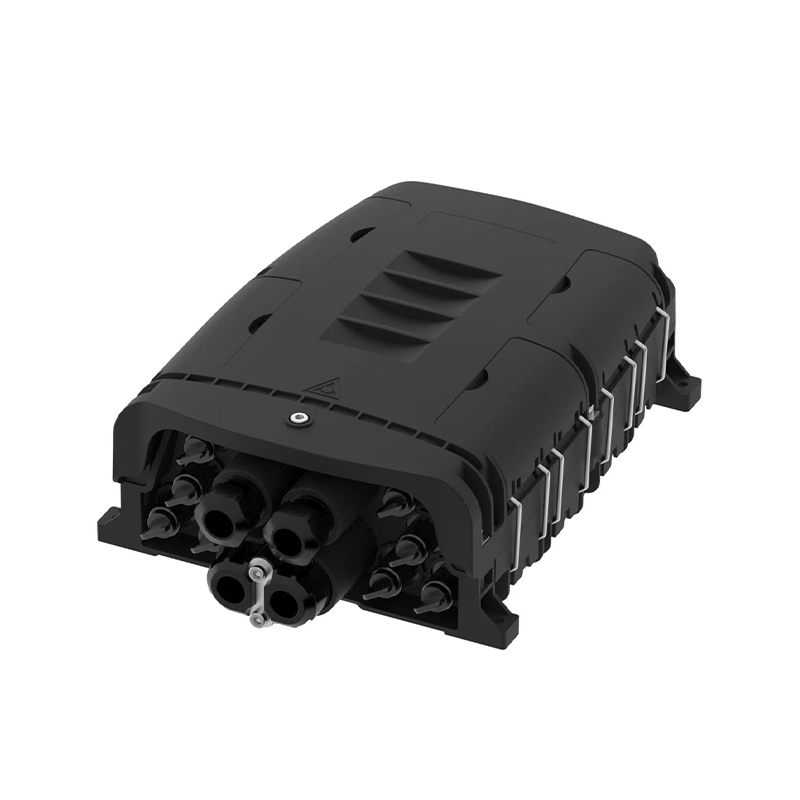
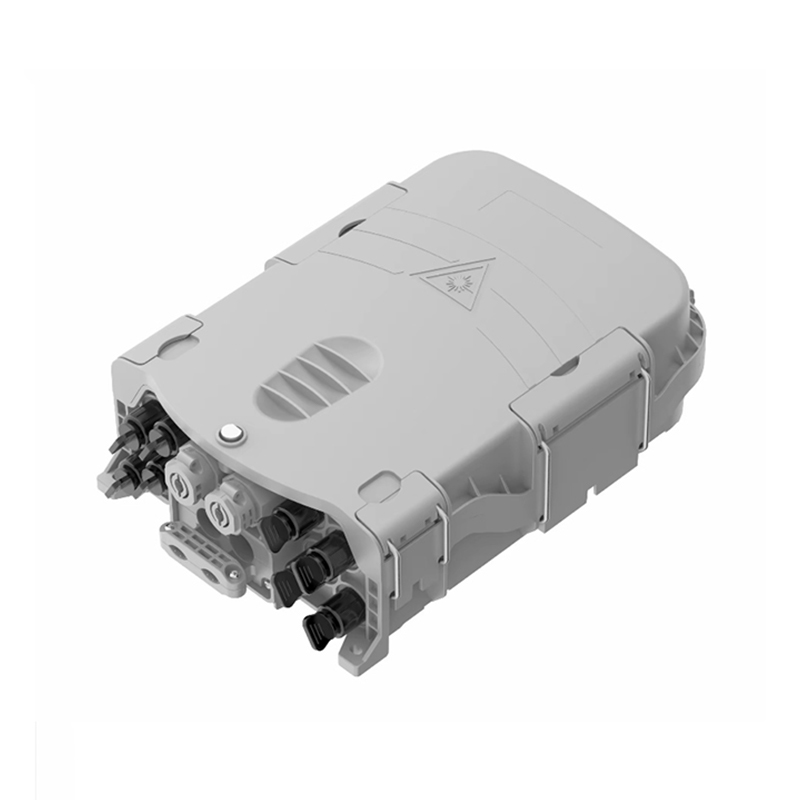
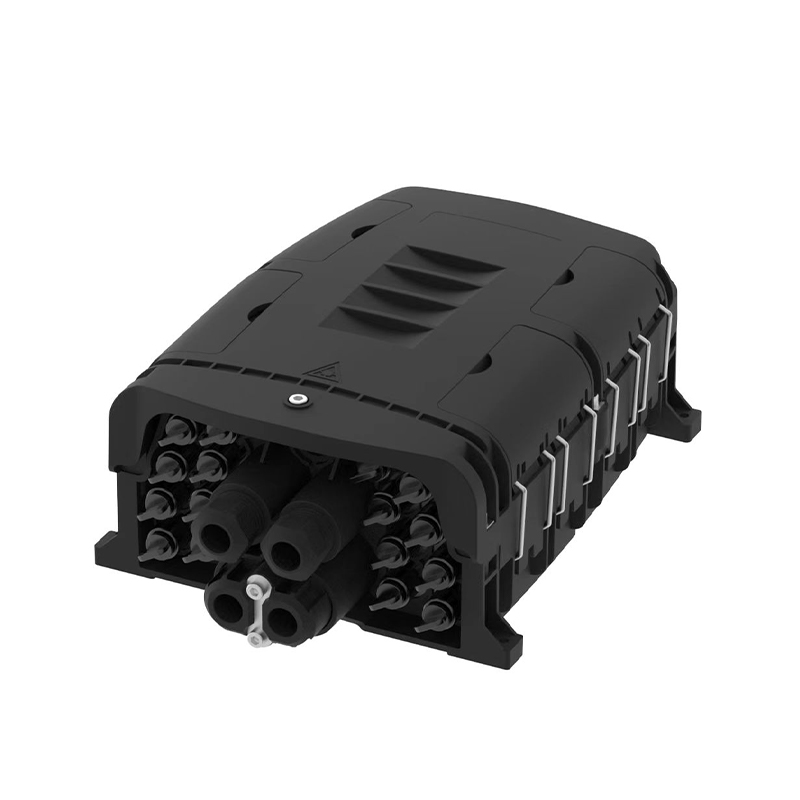
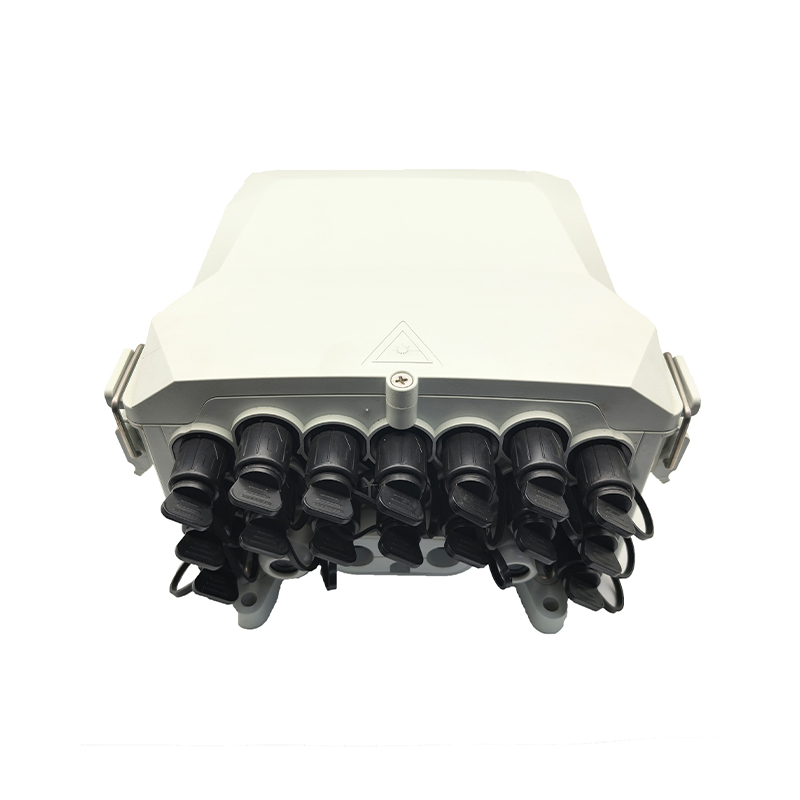
At the network side, these cables terminate into a distribution point that protects the connections and splits the signal toward individual users. Goshining's 8-port preconnectorized hub box is designed for exactly this role: factory-ready ports on the outside and protected termination inside, so field technicians never open a splice tray to install a new drop.
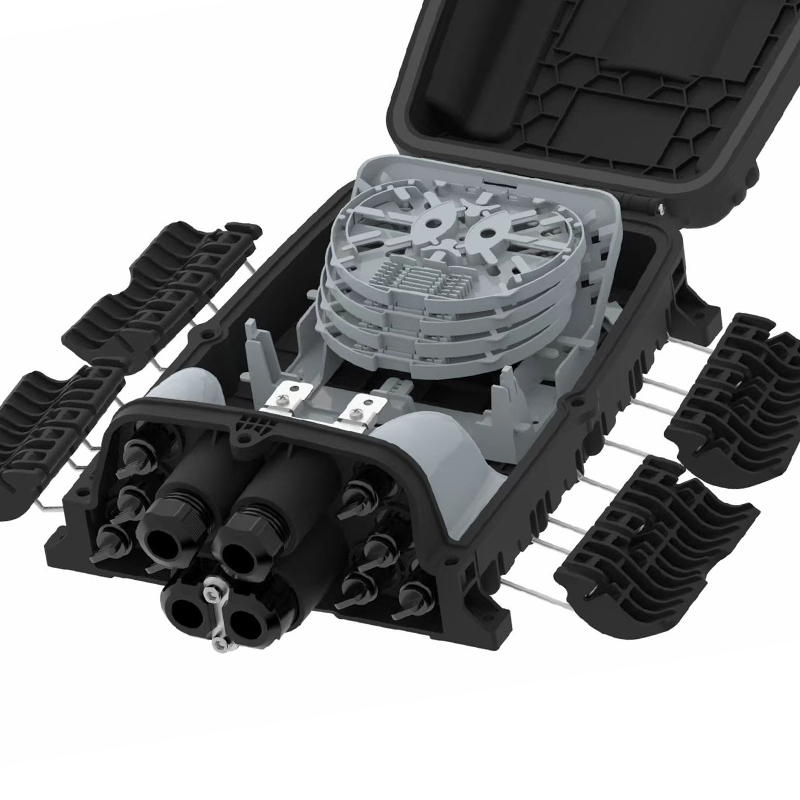 8 Port Pre-connectorized Hub Box GSG08A Manufacturer, Company - Ningbo GoshiningNingbo Goshining Communication is a China 8 Port Pre-connectorized Hub Box GSG08A manufacturer and 8 Port Pre-connectorized Hub Box GSG08...View Product →
FAQ
Can a pre-connectorized fiber optic cable be reused?
Yes. Factory connectors are designed to be mated and unmated multiple times with stable loss. Clean the end faces with a dry one-click cleaner before each connection, and never pull the cable by the connector body.
APC or UPC: which should I choose?
Choose APC when the network carries RF video overlay or high-split PON, because the 8-degree polish keeps return loss near -60 dB. Choose UPC for standard data services when legacy SC/UPC equipment is already installed, because its -50 dB return loss is enough for point-to-point digital links.
What lengths and fiber counts are available?
Typical factory-cut pre-connectorized cables range from 10 meters to several hundred meters with 2, 4, 8, or 12 fibers. Longer routes should be split into segments so the terminated ends can be coiled and protected during transit.
Do I still need a splice closure?
For new plug-and-play installations, no. For repairs and transitions, yes. When a damaged section must be reconnected, a splice closure and a pigtail are the practical answer.
How is optical quality guaranteed?
Every terminated end is measured in the factory, and the test report lists insertion loss and return loss values for shipment. A quick OTDR trace after installation verifies that the cable was not damaged while being pulled into place.
Final Thoughts
Pre-connectorized fiber optic cable removes skilled, weather-sensitive work from the field and moves it into a controlled factory process. Define your structure, fiber count, fiber type, fiber diameter, connector end face, and protection class, and you will receive a cable that plugs in, passes the test, and stays sealed for years.
A complete pre-connectorized ODN solution should cover the cable, the connectors, the distribution boxes, and the supporting hardware from one supplier so that every interface is matched. That is exactly how Goshining structures its product range, from waterproof boxes to patch cords. Contact our engineering team with your route lengths and connector requirements to receive a specification-matched quotation and test data for review.