

 English
 Español

 Inquiry
Industry News
How to Choose a Fiber Optic Cable?
2026-01-31
When selecting a Fiber Optic Cable, the core conclusion is: you must match the cable type based on the application environment (indoor/outdoor), transmission distance, and bandwidth requirements. For long-distance, high-bandwidth needs (such as cross-building communication), Single-mode Fiber (OS2) is the first choice; for short-distance, cost-effective connections within data centers, Multi-mode Fiber (OM3/OM4) is a better solution. Additionally, the outer jacket material (such as OFNR or LSZH) must comply with local fire safety regulations.
Content
Define Transmission Distance: Single-mode vs. Multi-mode
The first step in choosing a Fiber Optic Cable is to determine your transmission range. Optical fibers are mainly divided into two categories, with significant differences in physical performance and cost.
-
Single-mode Fiber (SMF): Has an extremely small core diameter (approx. 9 microns), allowing only one light beam to propagate. It is suitable for long-distance transmission of 10km or even further. The common standard is OS2.
-
Multi-mode Fiber (MMF): Has a larger core diameter (50 or 62.5 microns), allowing multiple light signals to propagate simultaneously. It is suitable for short distances within 550 meters, such as enterprise internal networks or server rooms.
Performance Metric Single-mode (OS2) Multi-mode (OM3/OM4) Light Source Laser LED or VCSEL Typical Distance Up to 10km - 40km+ 300m - 550m (Depends on speed) Cabling Cost Cable is cheap, transceivers expensive Cable slightly more, transceivers cheap Bandwidth Almost unlimited Decreases with distance
Adapt to Application Environment: Indoor, Outdoor, and Flame Ratings
The durability of a Fiber Optic Cable depends on its outer jacket design. You cannot use a standard indoor patch cord in harsh outdoor environments.
Indoor Fiber Optic Cable
Focuses on flexibility and fire resistance. Typically uses a tight-buffered design for easy stripping and connection.
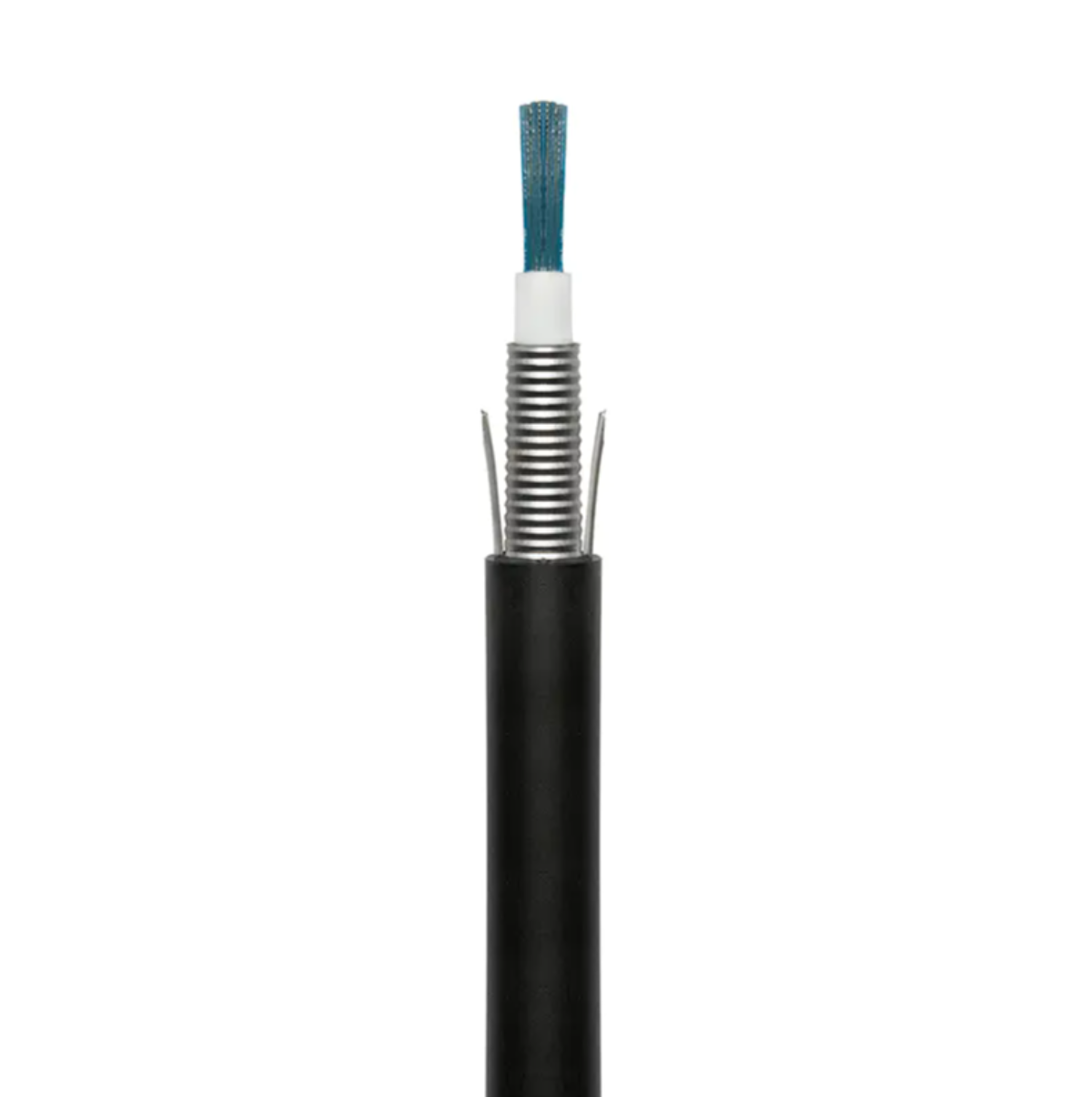
Outdoor Fiber Optic Cable
Requires waterproof, UV-resistant, and rodent-proof capabilities. Usually utilizes a loose-tube stranded structure filled with water-blocking gel.
Indoor/Outdoor Universal Type
Combines dual characteristics, often used in scenarios where fiber is brought from outdoors into a building without the need for intermediate splicing.
Example: When wiring vertical shafts (Riser) in high-rise buildings, OFNR rated cables must be used; if it is a plenum space (Plenum), OFNP cables with higher flame retardancy must be used to ensure no large amounts of toxic smoke are released in case of fire.
Consider Core Count Requirements and Future Expansion
The core count of a Fiber Optic Cable determines its concurrent processing capacity. When planning, you should not only meet current needs but also reserve 20% - 30% redundancy.
-
Duplex: The most common configuration, one for sending and one for receiving.
-
Multi-fiber Trunk: Common specifications include 12-core, 24-core, and even 144-core. In high-density MTP/MPO pre-terminated systems, 12-core or 24-core fibers are the foundation for building 40G or 100G networks.
Match Connector Types and Mechanical Performance
Ensure the Fiber Optic Cable you choose is compatible with your existing network equipment.
-
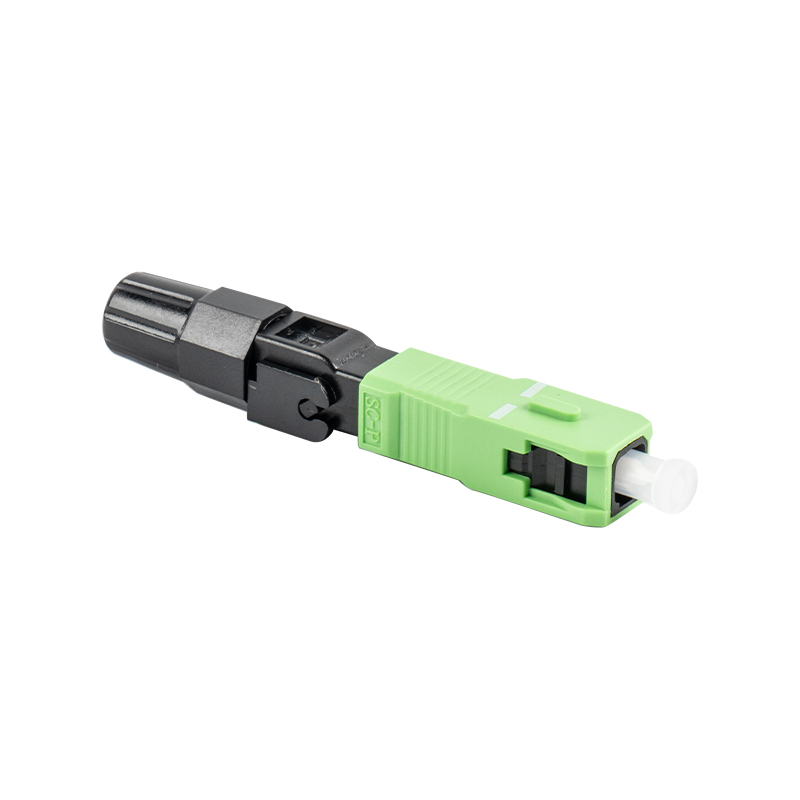
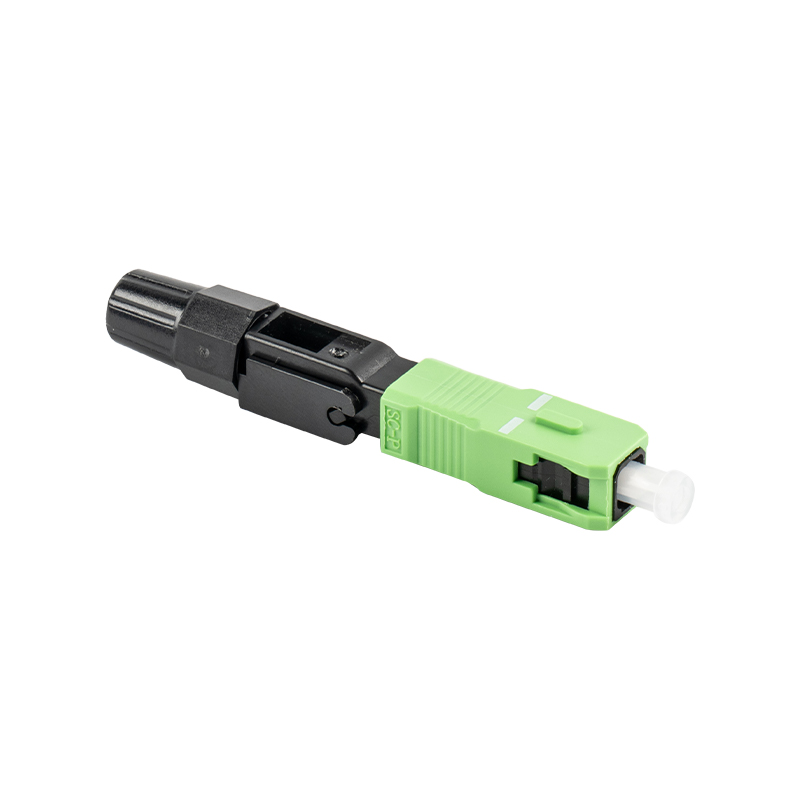
Connector Interface: Common types include LC (miniaturized interface, mainstream in data centers), SC (often used in carrier access networks), and ST (used in legacy equipment or industrial monitoring).
-
Tensile Strength: If the fiber needs to be pulled through long conduits, you must check its maximum allowable tension (usually in Newtons, N).
Recommendations for Balancing Cost and Performance
In actual procurement, many people struggle with cost. Please refer to the following suggestions:
1. Short distance (<300m) and limited budget: Choose OM3/OM4 multi-mode fiber. Although the cable itself is slightly more expensive, the matching optical modules (SFP) are about 30% - 50% cheaper than single-mode modules.
2. Long distance or future-proofing considerations: Directly lay single-mode OS2. Despite higher initial equipment investment, it supports seamless upgrades to 400G or even higher speeds in the future.

get in Touch

No.255 Lianfei Road, KandunIndustrial Park, Cixi City, ZhejiangProvince, China
Product Center
contact details
-
Email: [email protected]
-
Tel: +86 18367407397
Mobile
Copyright ? Ningbo Goshining Communication Technology Co., Ltd. Fiber Optic Solutions Manufacturer Fiber Optic Products Factory
