

 English
 Español

 Inquiry
Industry News
What Are the Differences Between LC and FC Fiber Optic Connectors?
2026-02-06
In fiber optic communication systems, LC and FC fiber optic connectors are two very common interface types. Simply put, LC fiber optic connectors are small and high-density, making them more suitable for high-port-density equipment; while FC fiber optic connectors use a threaded fixing method, resulting in a more stable connection, and are often used in applications with high stability requirements. With increasing demands for construction efficiency and reliability, FC fiber optic quick connectors are also gradually becoming a popular choice in engineering construction.
Content
I. Characteristics and Applications of LC Fiber Optic Connectors
LC fiber optic connectors (Lucent Connector) feature a miniaturized design, with a size approximately half that of traditional SC connectors, making them ideal for high-density cabling environments. Their main features include:
Small size and high port density, suitable for data centers and server room switching equipment
Plug-in structure, convenient operation, and high maintenance efficiency
Commonly used in Ethernet, optical module, and server connection scenarios
In modern networks that prioritize space utilization and aesthetically pleasing cabling, LC connectors have become one of the mainstream choices.
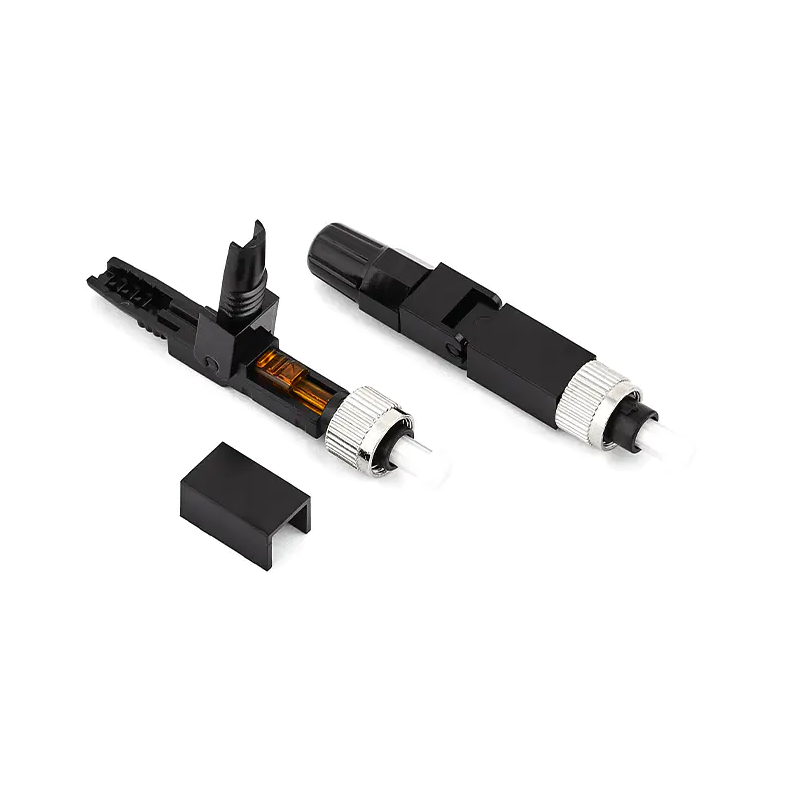
II. Features and Advantages of FC Fiber Optic Connectors
FC fiber optic connectors (Ferrule Connectors) use a metal shell and threaded connection, offering excellent vibration and tensile strength. Their main advantages are:
Strong connection and high stability
Good shock resistance, suitable for complex or harsh environments
Commonly used in communication base stations, testing instruments, fiber optic distribution frames, etc.
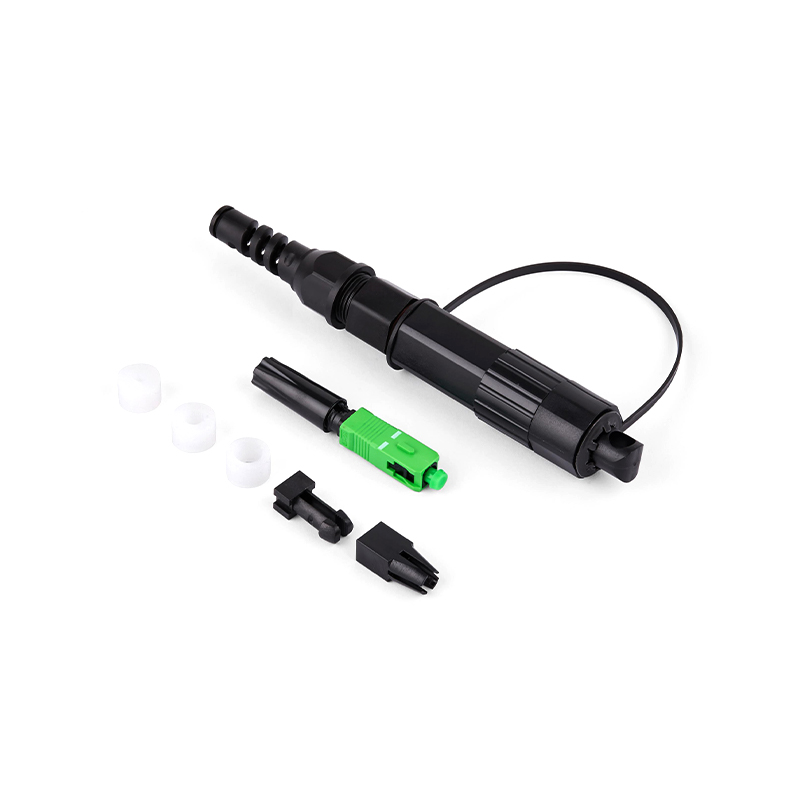
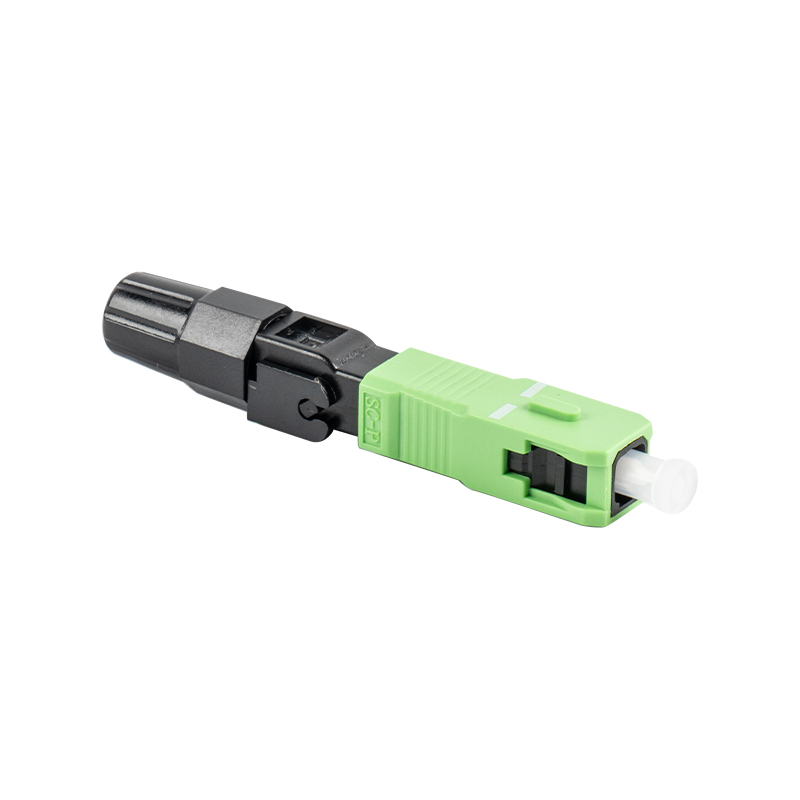
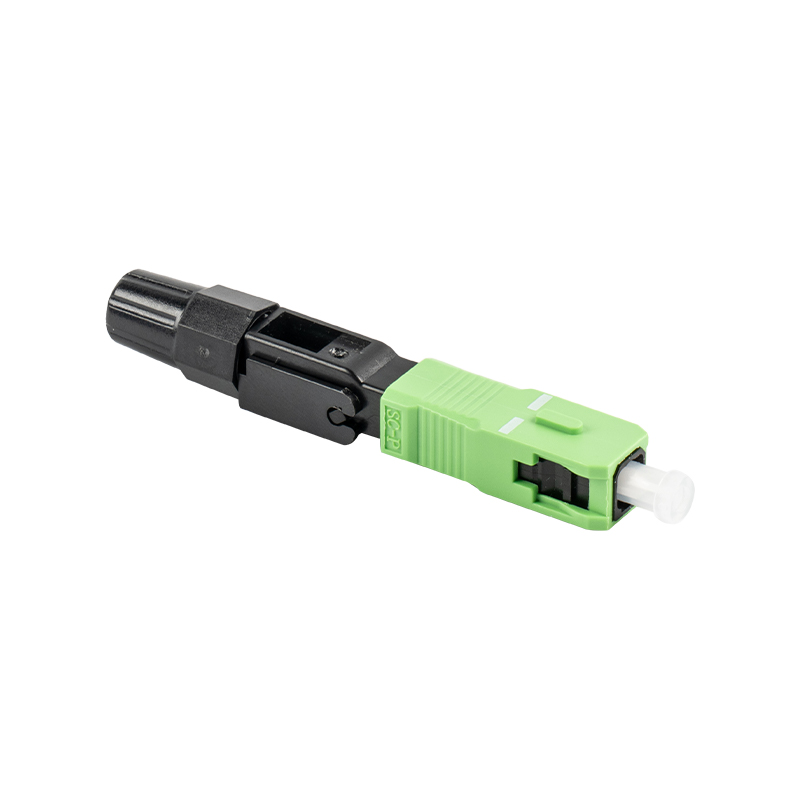
Especially in engineering construction, FC fiber optic quick connectors significantly improve on-site construction efficiency and reduce labor and time costs due to their advantages such as no fusion splicing, quick installation, and stable performance.
III. Comparison of Core Differences between LC and FC Fiber Optic Connectors
| Comparison Item | LC Fiber Optic Connector | FC Fiber Optic Connector |
| Connection Method | Push-pull (plug-in) | Threaded (screw-on) |
| Physical Size | Miniaturized / Compact | Relatively larger |
| Stability | High | Very high |
| Typical Applications | Data centers, server rooms | Base stations, testing environments |
| Installation Method | Traditional termination | Fast on-site termination using FC fiber optic fast connectors |
LC prioritizes high density and convenience, while FC excels in stability and reliability.
IV. Market Value of FC Fiber Optic Quick Connectors
With the rapid development of FTTH, 5G communication, and security monitoring projects, construction cycles are constantly being compressed. FC fiber optic quick connectors eliminate the need for fusion splicing equipment, allowing for on-site termination, ensuring low insertion loss, and improving project delivery efficiency. They have become an important solution in low-voltage engineering and communication construction.
V. Summary
LC and FC fiber optic connectors each have their strengths, and the choice should be based on the actual application scenario. If high-density cabling is required, LC fiber optic connectors are more advantageous; if connection stability and installation efficiency are more important, then FC fiber optic quick connectors are undoubtedly the better choice.

get in Touch

No.255 Lianfei Road, KandunIndustrial Park, Cixi City, ZhejiangProvince, China
Product Center
contact details
-
Email: [email protected]
-
Tel: +86 18367407397
Mobile
Copyright ? Ningbo Goshining Communication Technology Co., Ltd. Fiber Optic Solutions Manufacturer Fiber Optic Products Factory
