English
 Español

 Inquiry
A fiber optic ground wire (OPGW) is a dual-purpose cable that acts as both an overhead ground wire and a fiber optic communication line. If you are designing a high-voltage transmission line, OPGW lets you protect conductors from lightning while transmitting data on the same structure. This guide gives you the definition, key buying criteria, installation notes, and a practical comparison with other aerial fiber options.
Unlike a plain ground wire, OPGW contains optical fibers inside a sealed metal tube, surrounded by aluminum-clad steel and aluminum alloy strands. This construction allows it to carry fault currents and mechanical loads while keeping the fibers safe from water, vibration, and temperature extremes. The result is a single cable that reduces tower loading, saves installation time, and improves grid communication reliability.
Content
What Is a Fiber Optic Ground Wire (OPGW)?
A fiber optic ground wire is a composite overhead cable in which optical fibers are embedded within the ground wire structure. It is commonly called OPGW, short for Optical Ground Wire. The cable has two jobs: first, it shields the phase conductors from lightning strikes and fault currents; second, it provides a robust path for teleprotection, SCADA, and broadband traffic.
The optical unit usually sits in a central stainless steel tube or in stranded loose tubes. Around that core, layers of aluminum-clad steel (ACS) wires and aluminum alloy wires are stranded. The ACS wires give tensile strength, while the aluminum alloy wires improve conductivity and corrosion resistance. This design balances mechanical performance and electrical capacity.
| Construction | Fiber count range | Short-circuit capacity | Best for |
|---|---|---|---|
| Central tube | 12–48 | Moderate | Medium-voltage lines, shorter spans |
| Stranded loose tube | 24–144 | High | High-voltage lines, long spans |
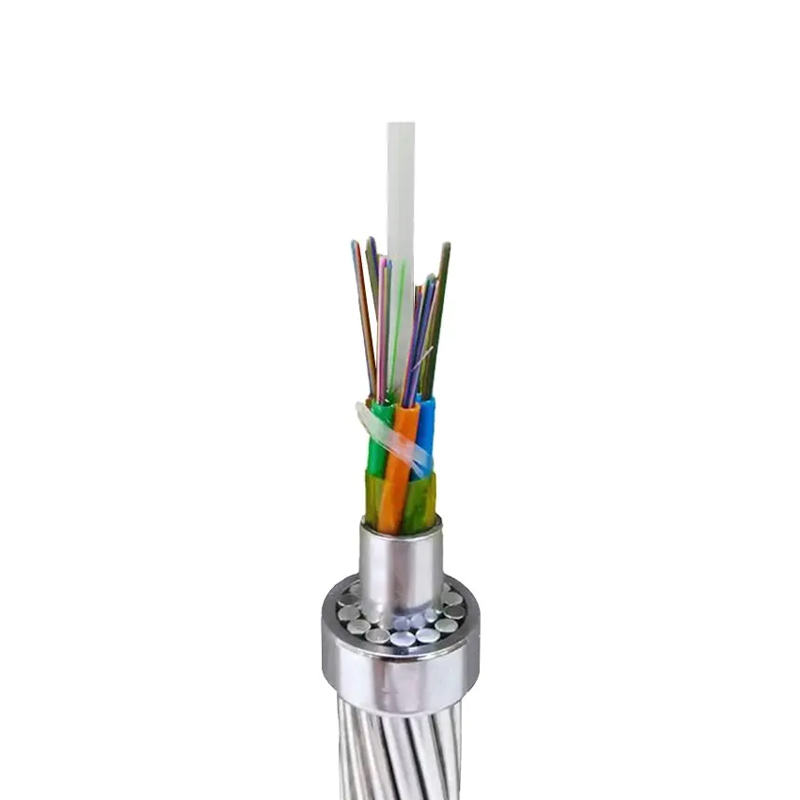 OPGW Fiber Optic Cable for Power Transmission and CommunicationCombines overhead ground wire protection with fiber communication; central or stranded designs suit different fault currents and future expansion.View Product →
When you specify OPGW, the fiber count and tube type must match your communication plan. A central tube design is compact and cost-effective for lower fault currents. A stranded design handles higher short-circuit currents and offers more fibers for future expansion. Both types can be customized with single-mode or multi-mode fibers, but G.652D remains the standard for long-haul transmission.
Why Choose OPGW Over Separate Ground Wire and ADSS?
OPGW is usually more reliable and economical than installing a separate ground wire plus an all-dielectric self-supporting (ADSS) cable. The reason is simple: OPGW occupies the top ground wire position that already exists on most transmission towers. You do not need extra hardware, additional tower reinforcement, or separate stringing crews.
ADSS cables are popular on distribution lines, but they are vulnerable to electrical tracking and corrosion in high-voltage environments. They also require their own attachment points below the phase conductors. OPGW, by contrast, is designed to withstand the electric field and fault currents at the top of the tower. It has a longer service life and lower maintenance costs over 25 years.
From a project perspective, using one OPGW cable instead of two separate cables reduces tower loading, simplifies permitting, and shortens construction schedules. The fiber count can be tailored from 12 to 144, and the short-circuit capacity can be engineered to match your grid protection settings. For a deeper look at fiber cable basics, see this fiber optic cable guide.
Key Specifications to Check Before Buying OPGW
Before you purchase OPGW, verify the short-circuit current capacity, fiber count, mechanical strength, and corrosion protection. These four parameters determine whether the cable will survive a fault and deliver reliable communication for decades.
- Short-circuit current capacity (kA²s): This value depends on the number and diameter of aluminum-clad steel wires. A higher value means the cable can absorb larger fault currents without damaging the fibers.
- Fiber count and type: Choose 12–144 fibers. For long-haul and FTTx backhaul, G.652D single-mode fiber is standard. G.657A is more bend-insensitive and useful in tight splice closures.
- Tensile strength and daily stress: The rated tensile strength (RTS) should exceed the maximum installation tension. Daily stress must stay below 20% of RTS to avoid fatigue.
- Corrosion protection: Aluminum-clad steel wires and galvanized components resist rust. For coastal or polluted areas, specify an extra corrosion-resistant coating.
- Water blocking and temperature range: The loose tube should be filled with thixotropic gel or dry water-blocking yarn. Operating temperature range is typically -40°C to +70°C.
Ask for a detailed test report that includes tensile, crush, impact, and water penetration results. A supplier who can provide third-party type tests will reduce your procurement risk. If you compare quotations, do not focus only on cable price. Consider the cost of splice closures, tension clamps, and installation labor, which together can exceed the cable cost.
Installation and Splicing Considerations
OPGW installation requires specialized tension stringing equipment and trained crews. The most common cause of long-term failure is not the cable itself but improper handling during pulling or poor sealing at the splice closures.
During installation, keep the minimum bend radius at 20 times the cable diameter under tension and 10 times under no tension. Use anti-twist ropes and running boards to prevent kinking. The maximum pulling tension should not exceed 20% of RTS, and the stringing speed must be steady. After installation, verify the ground resistance and check for any sheath damage.
Splicing is equally critical. Each splice closure must be watertight and mechanically strong. For OPGW, a horizontal inline closure is common for straight-through joints, while a vertical dome closure is used at branch points or terminal poles. The closure should be filled with a moisture-resistant compound and sealed with heat-shrinkable tubes. You can view our horizontal splice closure for reference.
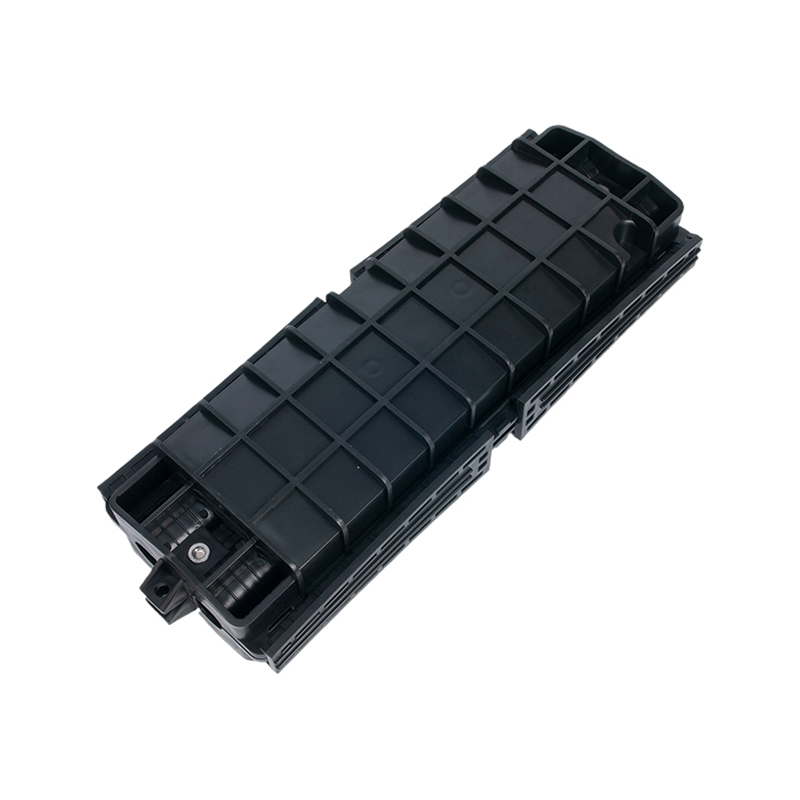 GSGSC001 Horizontal Fiber Optic Splice Closure for OPGWHorizontal inline closure protects OPGW splices from moisture, dust, and mechanical stress, supporting watertight, durable straight-through joints.View Product →
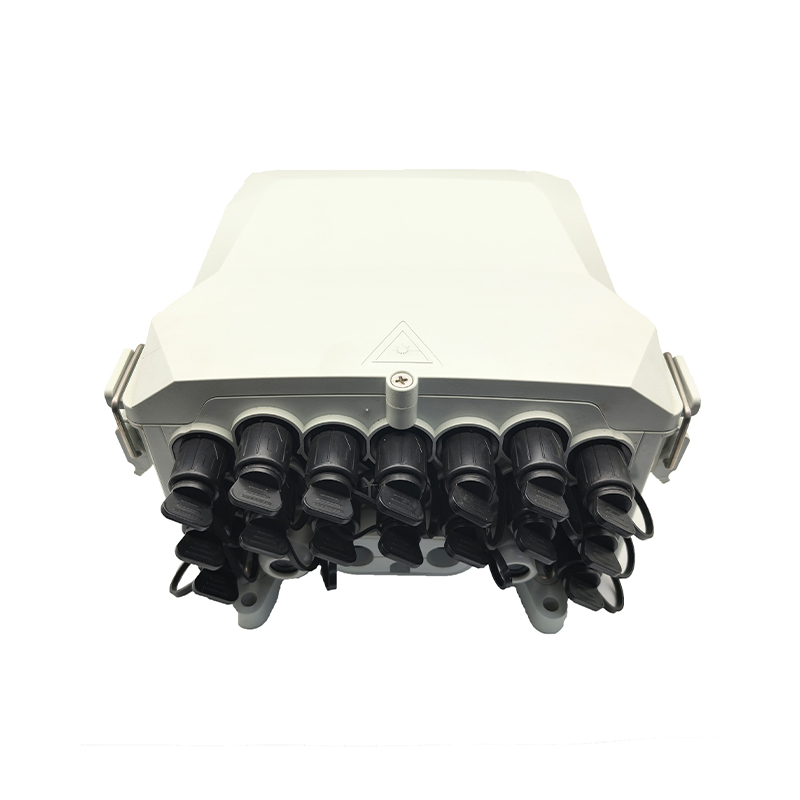
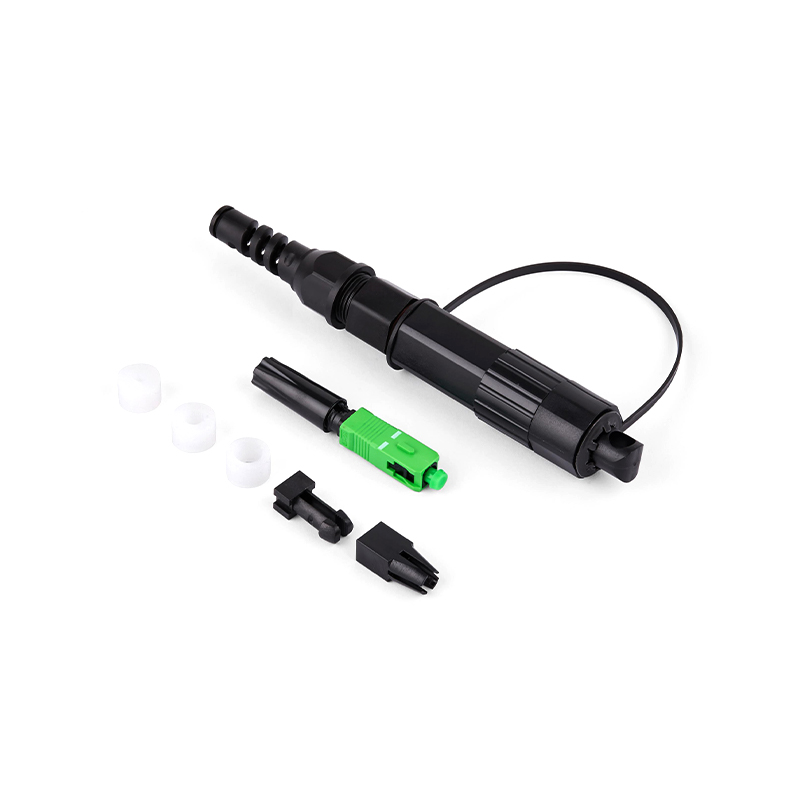
If your project also involves pre-connectorized access networks, consider waterproof connectors and boxes to speed up deployment. However, for pure OPGW transmission routes, the splice closure quality is the decisive factor. Always use a fusion splicer with an OPGW-specific program, and test every splice with an OTDR.
OPGW vs. ADSS vs. OPLC: Which One Fits Your Project?
The right aerial fiber cable depends on voltage level, span length, and communication needs. Use the comparison below to match the cable type to your specific scenario.
| Parameter | OPGW | ADSS | OPLC |
|---|---|---|---|
| Location | Top ground wire position | Below phase conductors | Low-voltage duct or aerial |
| Electrical function | Ground wire and fault current path | None | Power distribution |
| Fiber capacity | 12–144 | 12–144 | 12–48 |
| Best for | High-voltage transmission lines | Medium-voltage distribution lines | FTTH and smart grid |
OPGW is the strongest choice for high-voltage transmission because it combines grounding and communication in one cable. ADSS works well on distribution lines where no ground wire exists and electric field is lower. OPLC is designed for low-voltage power distribution and fiber-to-the-home, often installed in ducts or on short spans. If your line has a ground wire and you need reliable backhaul, OPGW is usually the best fit.
Frequently Asked Questions
Can OPGW transmit electricity to customers?
No. OPGW carries optical signals and provides a path for fault currents, but it does not deliver power to end users. It functions as a ground wire, not as a phase conductor.
How many optical fibers can an OPGW contain?
Most OPGW cables contain 12 to 144 fibers. The exact count depends on the tube design and the required short-circuit capacity. Higher fiber counts are available with stranded loose tube constructions.
Does OPGW require special maintenance?
OPGW itself needs little maintenance, but you should inspect splice closures, tension clamps, and grounding connections every few years. The cable is designed for a service life of 25 years or more.
Can I install OPGW on existing transmission towers?
Often yes, but you must verify tower loading, ground wire attachment points, and fault current ratings. A structural review is recommended before replacing an existing ground wire with OPGW.
What is the difference between OPGW and OPLC?
OPGW is an optical ground wire for high-voltage overhead lines. OPLC is an optical fiber composite low-voltage cable used in power distribution and FTTH networks. They serve different voltage levels and installation environments.
Choosing the right OPGW comes down to matching short-circuit capacity, fiber count, and mechanical strength to your transmission line. Work with a manufacturer who can provide type test reports and custom engineering. Ningbo Goshining Communication Technology Co., Ltd. supplies OPGW cables from 12 to 144 fibers, along with splice closures, waterproof connectors, and installation tools. To discuss your project specifications, please contact our team.