English
 Español

 Inquiry
A fiber-to-the-home crew is reeling out 2 km of single-mode cable, and every splice point has to survive rain, vibration, and temperature swings for the next 20 years. Fusion splicing is the process that makes that possible: it welds two optical fibers together with an electric arc to form a permanent, continuous glass path. A good fusion splice adds only 0.02 to 0.05 dB of insertion loss, roughly one tenth the loss of a mechanical splice. When you need a joint that lasts as long as the cable itself, fusion splicing is the answer.
Content
- 1 What Is Fusion Splicing?
- 2 Fusion Splicing vs. Mechanical Splicing
- 3 How to Fusion Splice Fiber Optic Cable: Step by Step
- 4 Insertion Loss and Return Loss: What Good Looks Like
- 5 Choosing the Right Fusion Splicer
- 6 Protecting and Housing Fusion Splices
- 7 Verifying Splice Quality with an OTDR
- 8 Frequently Asked Questions about Fusion Splicing
What Is Fusion Splicing?
Fusion splicing permanently joins two optical fibers by aligning their ends and melting them with an electric arc, producing a single continuous waveguide with no air gap or reflective interface. The two fibers are stripped to bare glass, cleaved at a precise angle, and placed in the fusion splicer, which aligns the cores, fires an arc, and advances the fiber ends together until the glass flows into one piece.
This technique is the most widely used splicing method in the industry. It works on single-mode and multimode fiber alike. Single-mode splices require tighter core alignment and typically measure 0.02 to 0.05 dB of insertion loss, while multimode splices, thanks to their larger 50 or 62.5 micron cores, frequently come in below 0.03 dB. The physics is the same in both cases, but cleaver quality and fiber cleanliness matter far more when the core is only 9 microns across.
Fusion splicing is also the foundation of factory pre-termination. Pre-connectorized assemblies such as waterproof patch cords and mini-SC connectors used in outdoor ODN networks rely on the same arc-fusion process to achieve stable, low-loss performance across wide temperature ranges. For technicians building fiber optic cables into a permanent plant, mastering fusion splicing is non-negotiable.
Fusion Splicing vs. Mechanical Splicing
Fusion splicing wins on loss, reliability, and service life, but it costs more upfront and requires a power source and a precision machine. Use fusion splicing for permanent outdoor, duct, aerial, and backbone joints. Keep mechanical splicing for emergency restoration, temporary jumpers, or situations where a connector must be installed without a splicer.
| Parameter | Fusion splicing | Mechanical splicing |
|---|---|---|
| Insertion loss | 0.02–0.05 dB | 0.1–0.5 dB |
| Return loss | Above 60 dB | 30–50 dB, gel dependent |
| Permanence | Permanent fused glass | Re-openable, drifts over time |
| Equipment cost | High, splicer required | Low, hand tool only |
| Time per joint | 1–3 minutes including prep | 2–5 minutes |
| Typical service life | Matches cable life, 20+ years | 5–10 years |
Mechanical splice performance also drifts over time because index-matching gel dries out and the fiber micro-position shifts with vibration. Most telecom operators therefore specify fusion splicing for all permanent splices and limit mechanical splices to emergency restoration.
How to Fusion Splice Fiber Optic Cable: Step by Step
A repeatable process is what separates a 0.03 dB splice from a 0.5 dB splice. Follow these eight steps every time:
- Strip the cable jacket, strength members, and buffer tube to expose the optical fiber, then remove 30 to 40 mm of the protective coating with a precision fiber stripper.
- Clean the bare fiber with lint-free wipes and 99% isopropyl alcohol. Dust left on the glass burns in the arc and raises splice loss.
- Cleave the fiber with a high-precision cleaver. The cleave angle should be 0.5 degrees or better, since a poor cleave is the most common cause of failed splices.
- Load the two cleaved fibers into the fusion splicer, placing the ends between the electrodes in the splice chamber.
- Let the splicer align the fibers. Core-alignment machines actively align the fiber cores using image analysis, while cladding-alignment machines align the outer surfaces only.
- Run the fusion cycle. The splicer applies a pre-fusion arc to round the fiber edges, then a stronger main arc melts and joins the ends while advancing the fibers.
- Inspect the splice on the machine display. Verify the estimated loss and check for bulges, bubbles, or axis offset. If the estimate exceeds 0.1 dB, cleave and re-splice.
- Slide a heat-shrink splice sleeve over the joint and heat it in the splicer oven so the sleeve seals the bare glass and adds bend protection.
If you are splicing outdoor plant, adapt the preparation stage to the cable construction. A GYTA fiber optic cable, for instance, requires removing the PE jacket, steel tape armor, and water-blocking compound before you reach the loose tubes, whereas a drop cable is ready much faster but still needs the same careful stripping, cleaning, and cleaving.
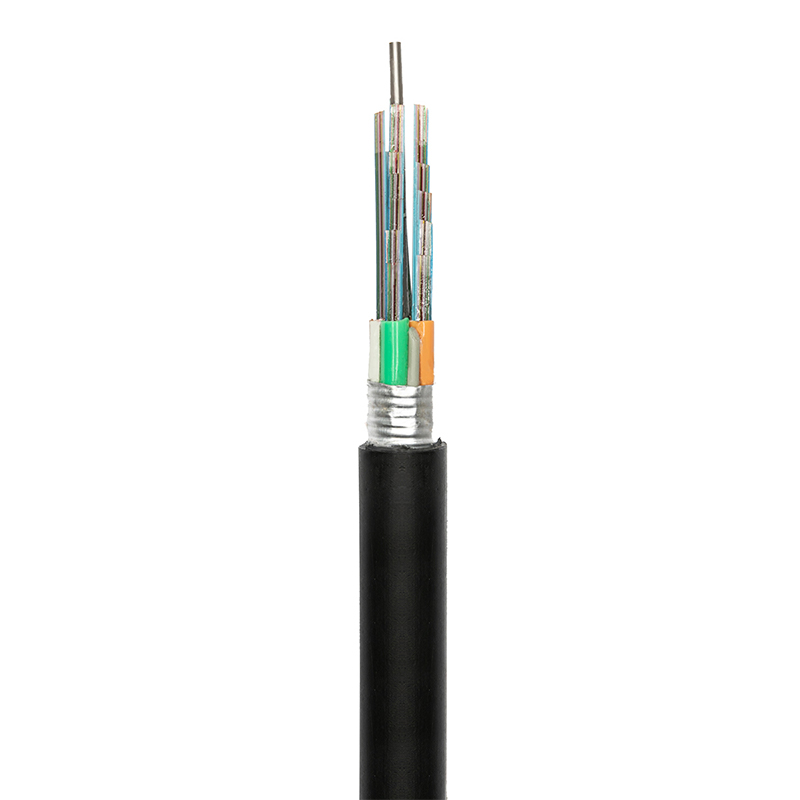 GYTA Fiber Optic Cable Manufacturer, Company - Ningbo Goshining Communication TeNingbo Goshining Communication is a China GYTA Fiber Optic Cable manufacturer and GYTA Fiber Optic Cable company, professional wholesale ...View Product →
Insertion Loss and Return Loss: What Good Looks Like
Set a clear acceptance threshold before you start: single-mode splices should stay at or below 0.05 dB on the splicer loss estimate, and any splice above 0.1 dB should be cut and redone. These numbers are stricter than older field criteria, but modern core-alignment splicers achieve them routinely.
| Fiber type | Typical insertion loss | Typical return loss |
|---|---|---|
| Single-mode G.652 | 0.02–0.05 dB | Above 60 dB |
| Single-mode G.657 bend-insensitive | 0.02–0.06 dB | Above 60 dB |
| Multimode OM3/OM4 | 0.01–0.03 dB | Not typically specified |
| Ribbon fiber, 12 fibers | 0.05–0.15 dB per splice | Above 55 dB |
Return loss is where fusion splicing has no rival. A fusion splice has no physical interface, so it produces essentially no Fresnel reflection. That matters in WDM and long-haul systems where reflected light destabilizes laser sources. Connectors and mechanical splices, by contrast, always carry some reflection penalty.
Choosing the Right Fusion Splicer
Your splicer sets the ceiling on splice quality. For single-mode FTTH and outside-plant work, choose a core-alignment splicer; for multimode and occasional emergency splices, a cladding-alignment unit is acceptable.
- Core alignment: aligns the actual fiber cores with image processing. Best accuracy for single-mode, with typical splice loss of 0.02–0.05 dB.
- Cladding alignment: aligns the fiber outer surfaces. Faster and cheaper, but marginal for single-mode. Suitable for multimode and temporary repairs.
- Ribbon splicer: fuses a 4, 8, or 12 fiber ribbon in one arc. Designed for high-count trunk and feeder links.
- Consider arc auto-calibration, splice cycle under 15 seconds, a windproof lid, battery life for a full shift, an integrated sleeve oven, and a clear loss estimate on the display.
For most field teams, a portable core-alignment machine such as the AI30 fusion splicer offers the best balance of weight, accuracy, and price. It handles G.652 and G.657 single-mode fiber on FTTH drops and distribution segments, and its automatic arc calibration keeps quality consistent even when the fiber type changes between reels.
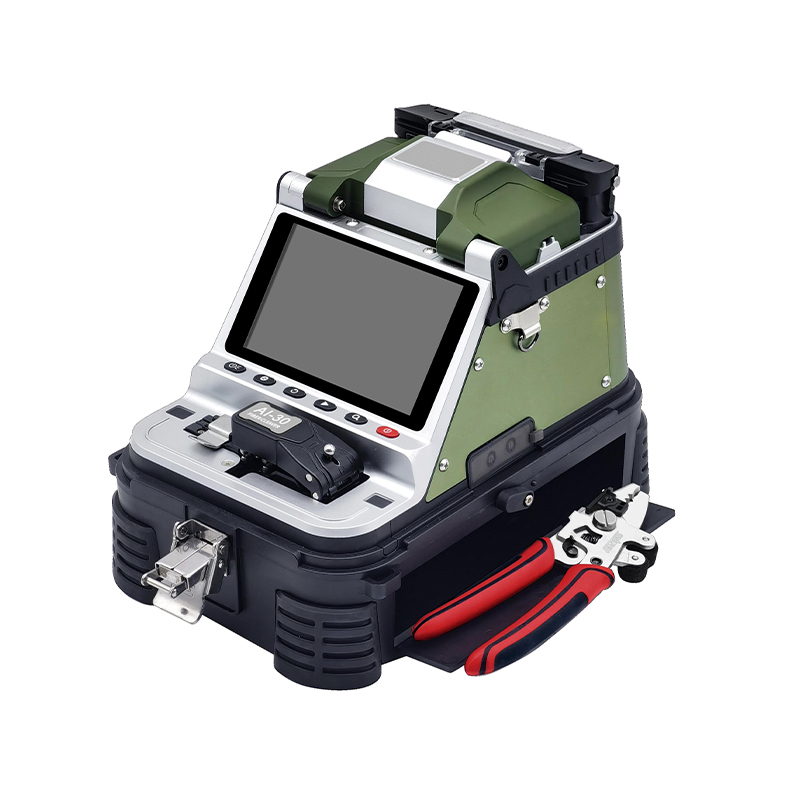 Ai-30 Fiber Optic Fusion Machine Manufacturer, Company - Ningbo Goshining CommunNingbo Goshining Communication is a China Ai-30 Fiber Optic Fusion Machine manufacturer and Ai-30 Fiber Optic Fusion Machine company, pro...View Product →
Protecting and Housing Fusion Splices
A fusion splice is mechanically fragile. The stripped fiber at the joint has no coating, so every splice needs three layers of protection: a heat-shrink sleeve, a splice tray, and an enclosure matched to the environment.
The heat-shrink splice sleeve includes a stainless steel reinforcing rod that keeps the joint straight and prevents microbending. Always center the sleeve over the splice before heating. After shrinking the sleeve, coil the fiber into the splice tray following the cable minimum bending radius, usually 30 mm or more for single-mode fiber.
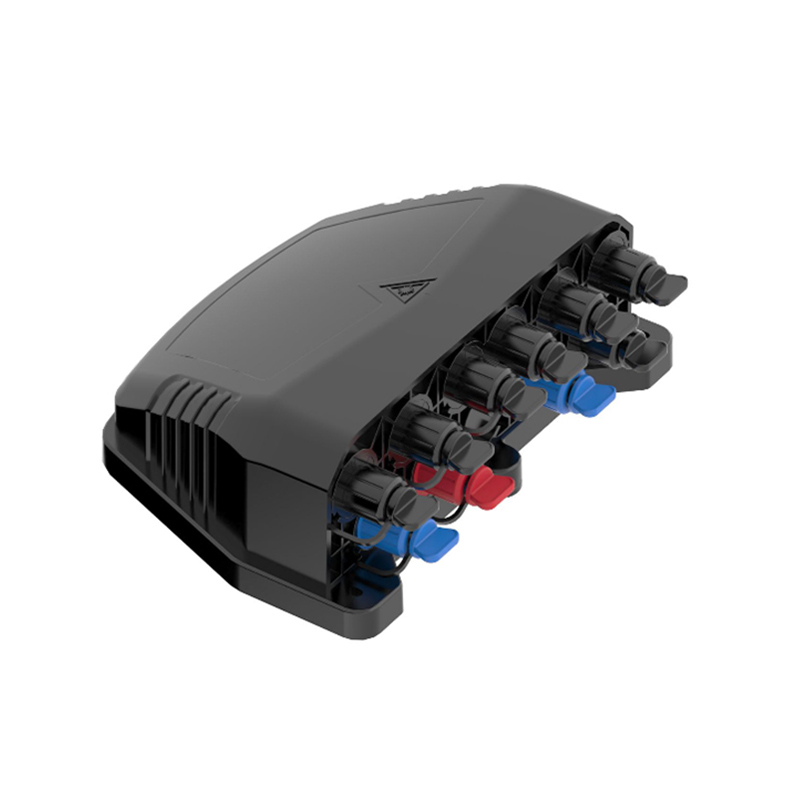
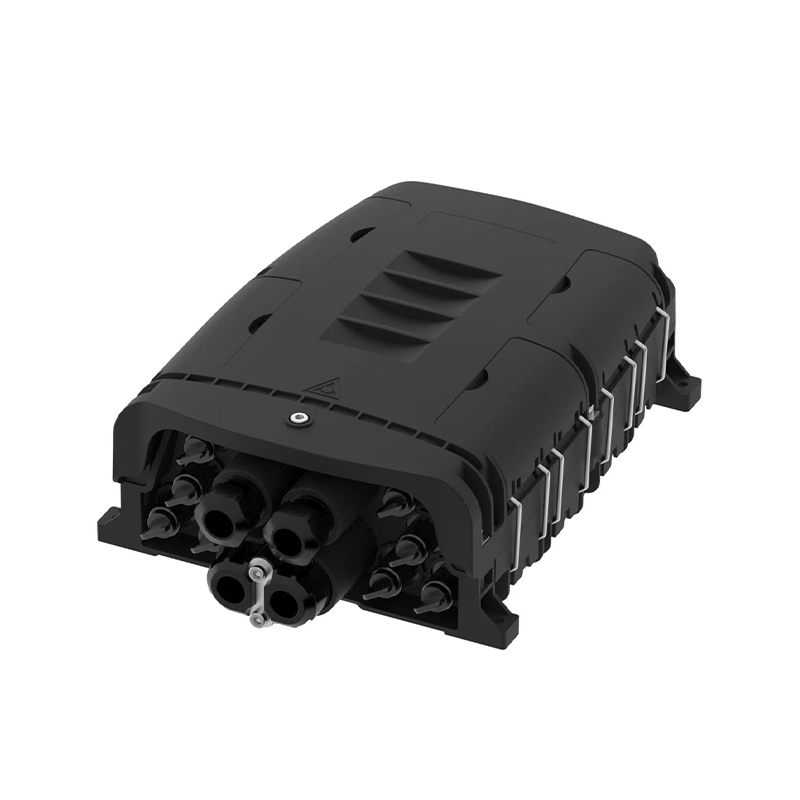
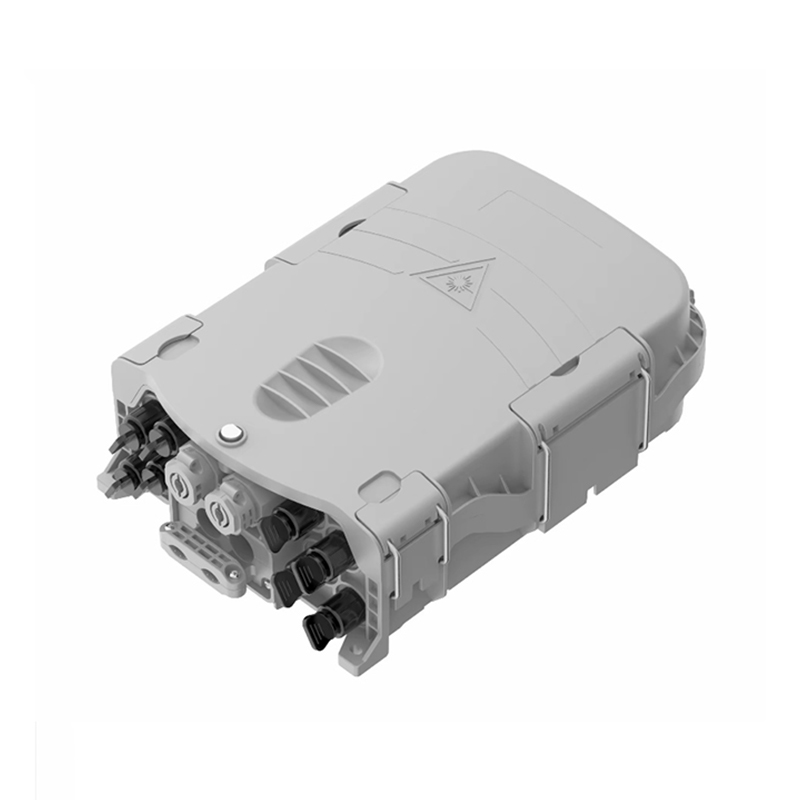
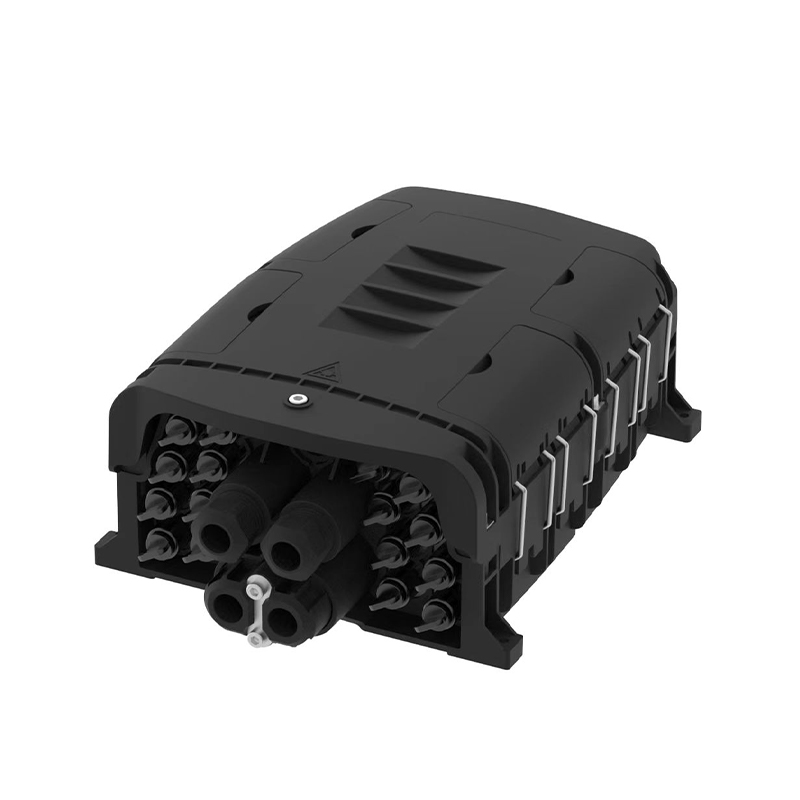
For outdoor aerial, duct, or direct-buried cables, the enclosure must be watertight and robust enough for the installation type. A dome or horizontal fiber optic splice closure with gel sealing protects the trays from moisture and mechanical stress, and can be re-entered later for maintenance or expansion.
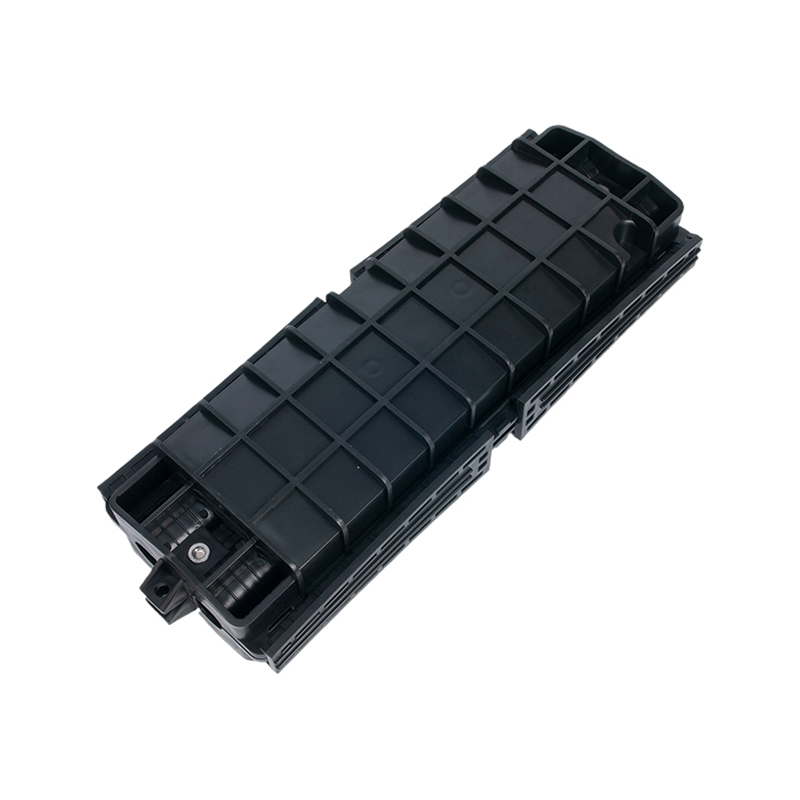 GSGSC001 Fiber Optic Splice Closure Manufacturer, Company - Ningbo Goshining ComNingbo Goshining Communication is a China GSGSC001 Fiber Optic Splice Closure manufacturer and GSGSC001 Fiber Optic Splice Closure compan...View Product →
Verifying Splice Quality with an OTDR
The splicer loss estimate is useful, but it is not proof. Verify each splice with an OTDR test from both ends, and compare the measured loss against the acceptance threshold.
An OTDR sends light pulses into the fiber and records backscatter; a splice appears as a small step down in the trace. Test from both directions because the two-point loss reading is directional, and average the two values to get the true splice loss. In spans with many closely spaced splices, use a short pulse width so events do not overlap in the dead zone.
Frequently Asked Questions about Fusion Splicing
These are the questions field technicians and network planners ask most often before and during splicing jobs.
Is fusion splicing better than mechanical splicing?
For permanent joints, yes. Fusion splicing gives lower insertion loss, far higher return loss, and a service life equal to the cable itself. Mechanical splicing is best reserved for temporary restoration.
What insertion loss should a good fusion splice show?
For single-mode fiber, 0.02 to 0.05 dB is typical, and 0.1 dB is the usual re-splice threshold. Multimode splices should measure below 0.03 dB.
Why does a splice fail or show high loss?
A bad cleave, dirty fiber, or wrong arc parameter causes most failures. Re-cleave and clean the fiber first; if the splicer still reports high loss, run the arc-calibration routine and select the correct fiber profile.
Can one fusion splicer handle single-mode and multimode?
Yes, a core-alignment splicer handles both. Just choose the matching fiber profile and arc parameter before starting, and use a fresh cleave for each fiber.
How long does fusion splicing take?
With preparation, a complete protected splice takes 1 to 3 minutes. The arc itself runs roughly 10 to 20 seconds, and the heat-shrink sleeve needs another 10 to 20 seconds.
Fusion splicing is the highest-leverage skill in optical network construction. A single bad splice can degrade an entire link, while consistently good splices make the cable plant almost invisible to the transmission system. Keep the fiber clean, respect the cleave angle, use a calibrated core-alignment splicer, protect every joint with a sleeve and closure, and verify the result with an OTDR. If you are planning a fiber optic cable deployment and need fusion splicers, outdoor cables, splice closures, or pre-connectorized ODN components, contact our engineering team to build a kit matched to your route and budget.